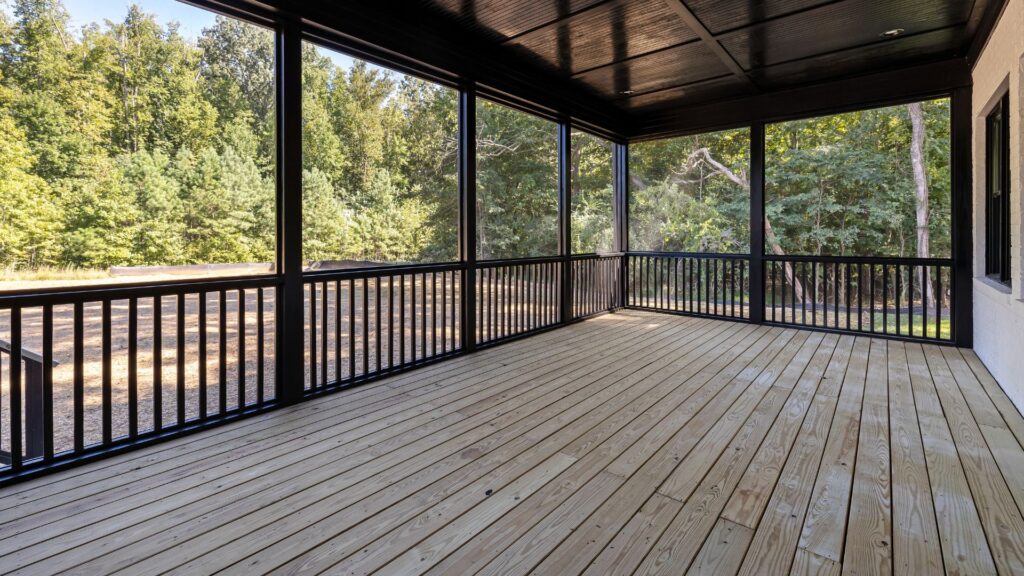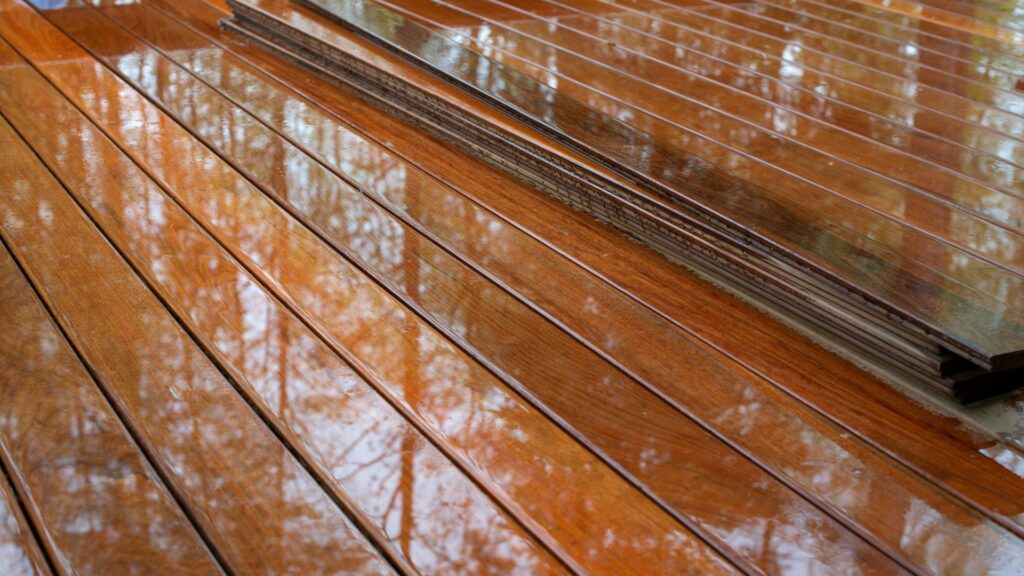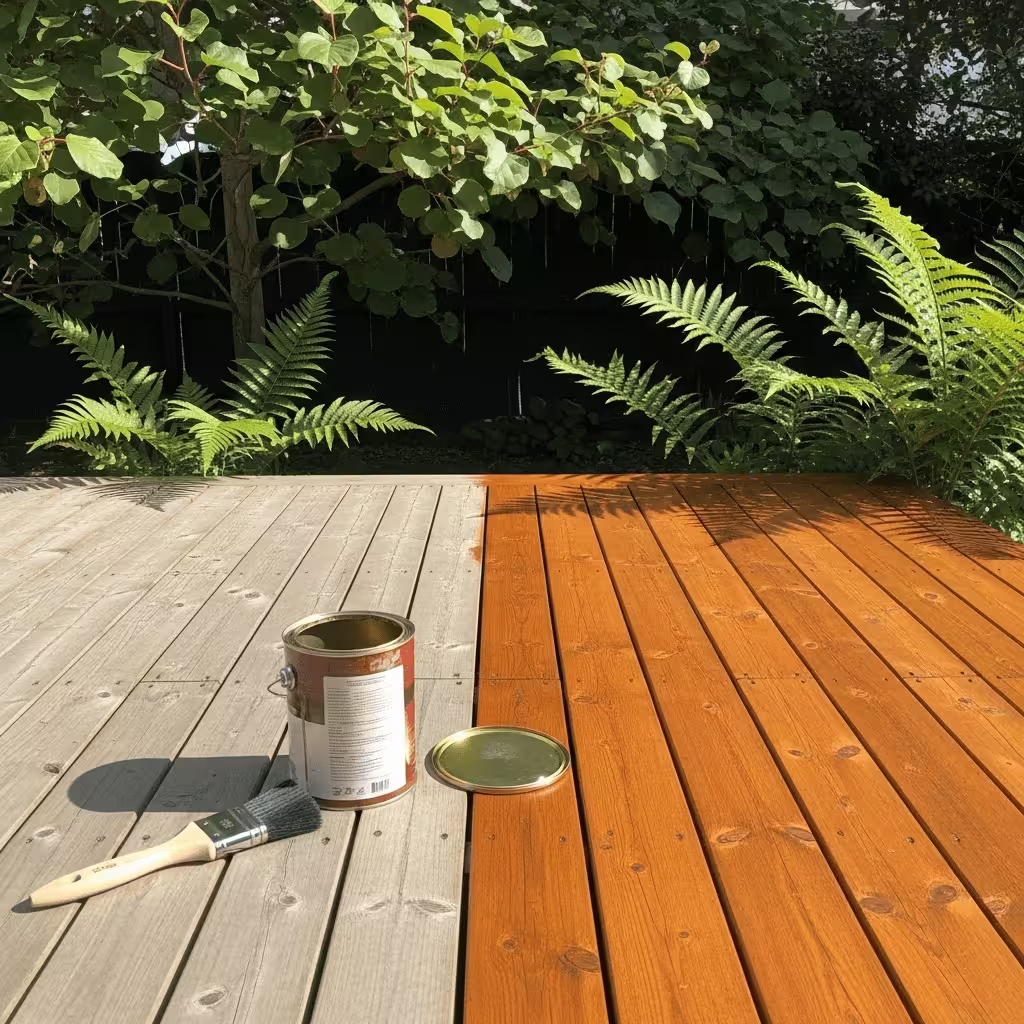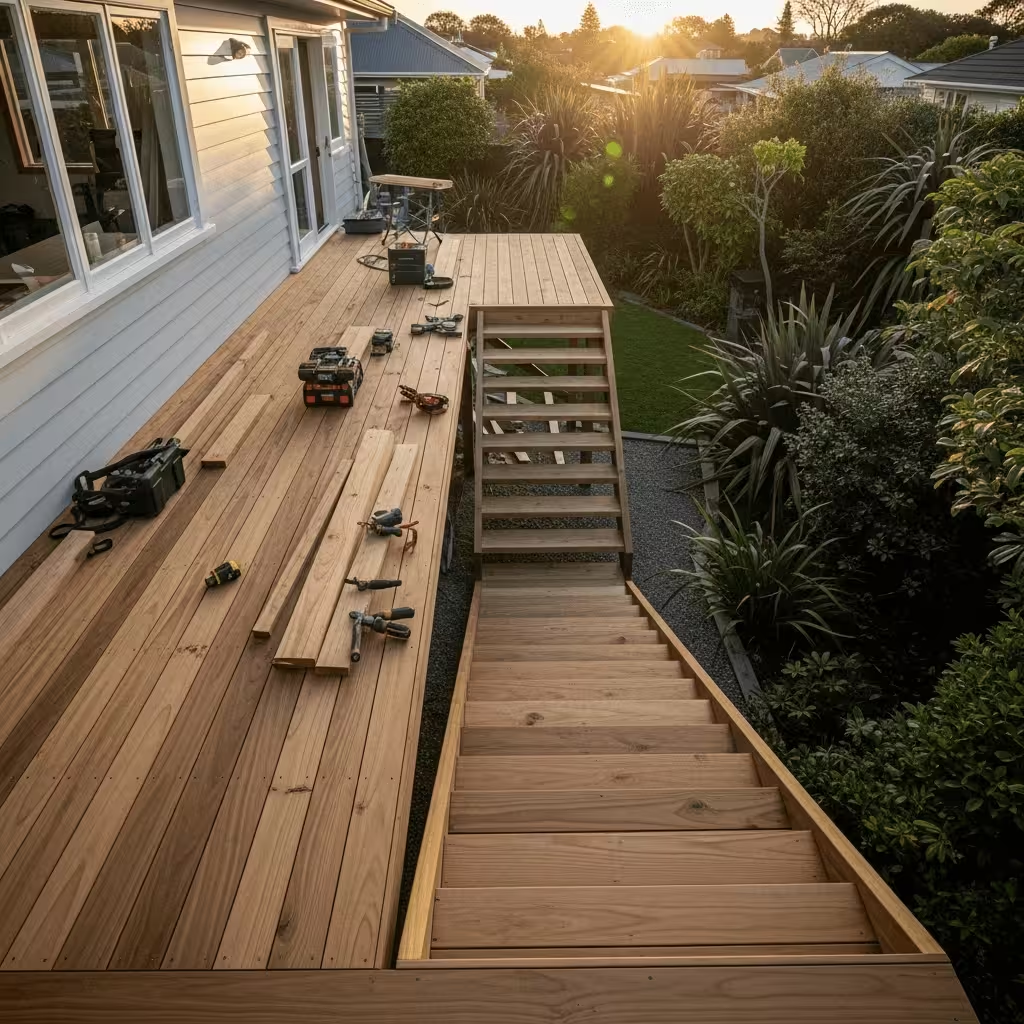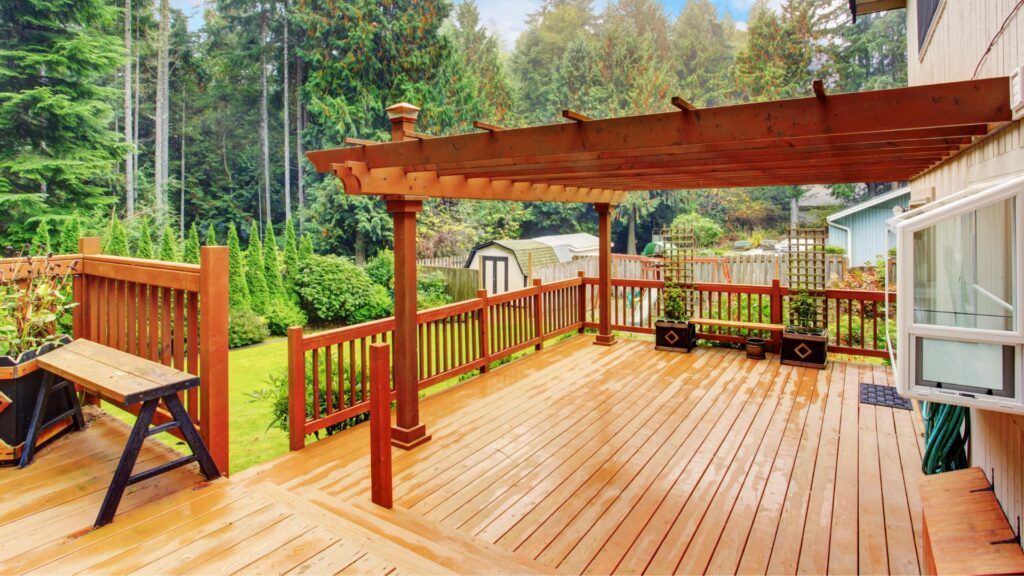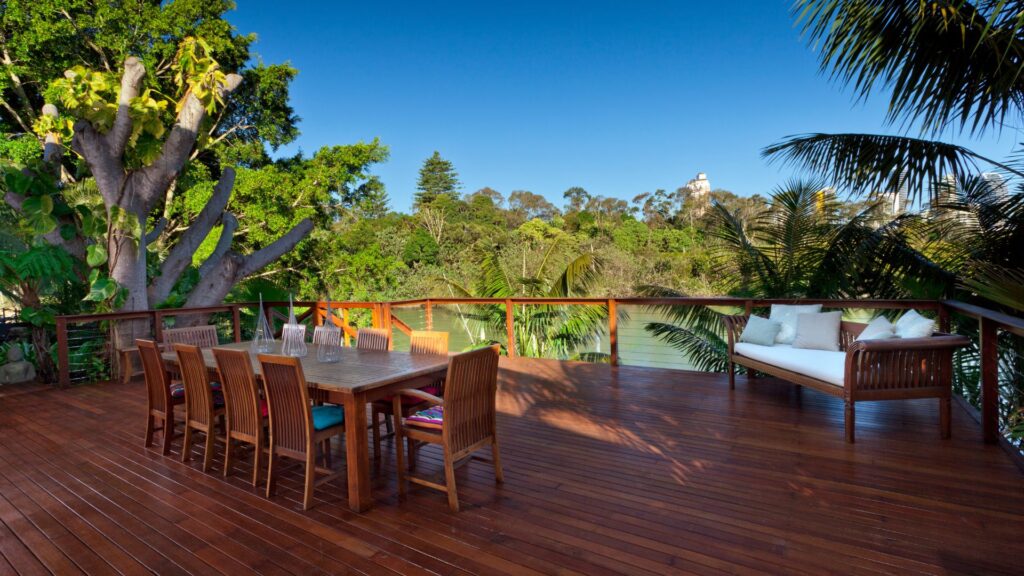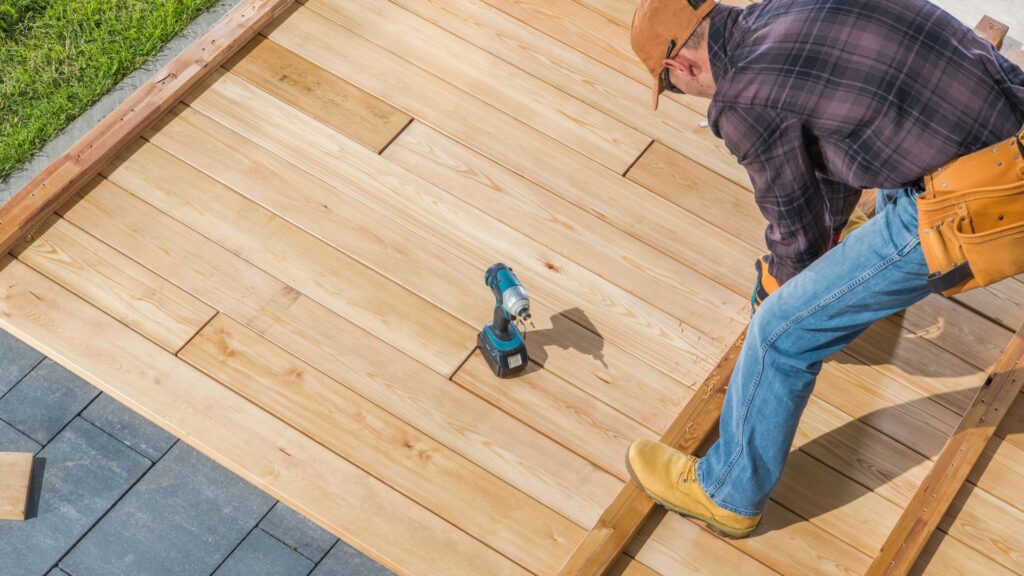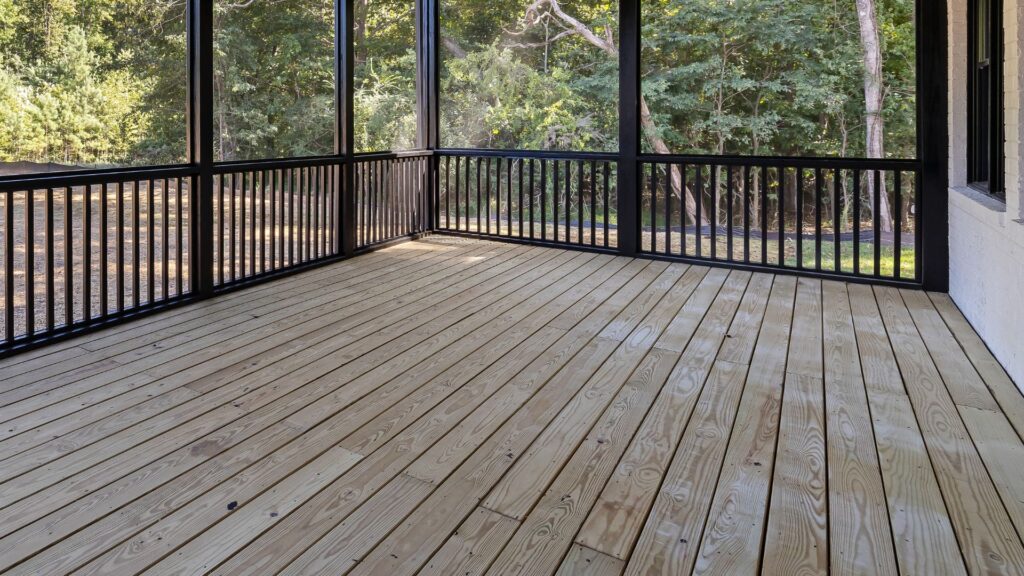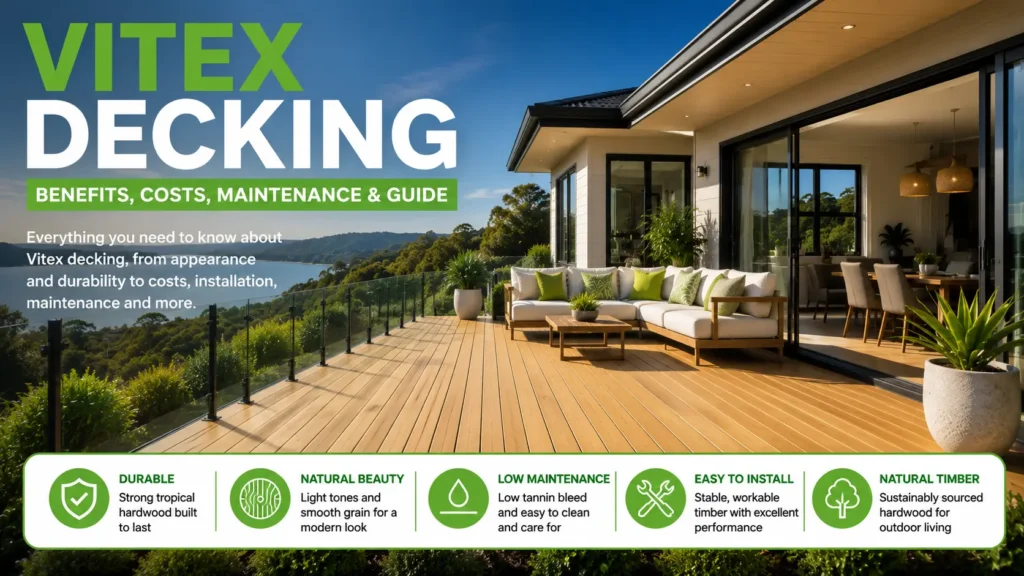
Welcome to this complete guide to Vitex decking, where you will learn what this tropical hardwood looks like, how long it lasts, what it costs, how it compares with other decking materials, and what to expect from installation and maintenance. Whether you are planning a new deck or comparing timber options, this guide will help you decide if Vitex decking suits your home, budget, climate, and preferred level of upkeep.
Vitex decking is a durable tropical hardwood known for its light colour, smooth grain, low tannin bleed, and strong outdoor performance. It can last for many years when installed correctly, cleaned regularly, and protected from trapped moisture, making it a popular choice for residential decks.
Table of Contents
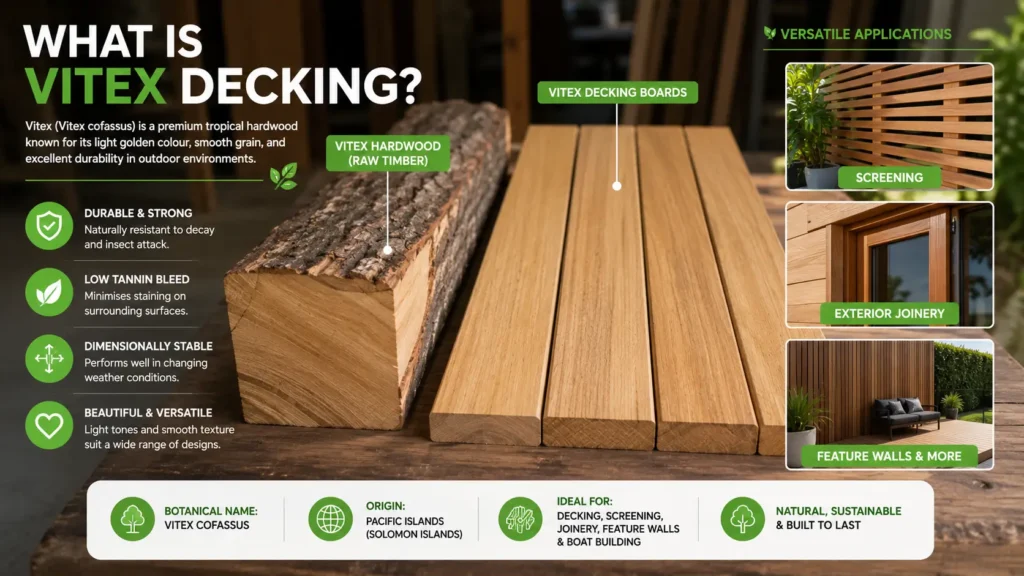
What Is Vitex Decking?
Vitex decking is a tropical hardwood that has become a popular choice for outdoor living spaces throughout New Zealand. Homeowners, builders, and designers often choose it because it combines natural durability with a light, contemporary appearance that suits many architectural styles. Whether you are building a new deck or replacing an older one, Vitex offers a balance of strength, stability, and visual appeal that makes it well suited to residential and commercial projects.
Botanically known as Vitex cofassus, this hardwood is valued for its ability to perform in outdoor environments where timber is regularly exposed to sun, rain, and changing weather conditions. When installed correctly with proper ventilation and ongoing maintenance, it provides long-lasting performance while maintaining its natural character.
Vitex is used for more than just decking. Its attractive grain and durability also make it suitable for a variety of exterior building applications.
- Decking: A popular choice for outdoor entertaining areas, patios, and raised decks because of its durability and comfortable surface underfoot.
- Screening: Frequently used for privacy screens and decorative timber panels that complement modern landscape designs.
- Exterior Joinery: Suitable for selected exterior trim and architectural features where a durable hardwood is preferred.
- Feature Walls: Used to create natural timber feature walls in outdoor living spaces and garden areas.
- Boat Building: Its strength and durability have also made it a timber used in certain marine and boat-building applications.
One feature that distinguishes Vitex from many darker hardwoods is its relatively low tannin bleed. This can reduce the risk of staining surrounding concrete or paving during the early stages of weather exposure, although proper installation practices are still recommended to protect nearby surfaces.
What Does Vitex Decking Look Like?
One of the main reasons homeowners choose Vitex decking is its clean, natural appearance. Unlike darker hardwoods that create a bold visual statement, Vitex offers lighter tones that complement a wide range of home styles, from contemporary builds to traditional homes surrounded by natural landscaping.
Freshly milled Vitex typically displays a blend of pale yellow, creamy-grey, and light golden-brown tones. These colours give a deck a bright and welcoming appearance that can help outdoor spaces feel larger and more open.
Its surface has a smooth texture with a fine, interwoven grain that creates visual interest without appearing overly busy. This subtle grain pattern allows the timber to pair well with materials such as natural stone, concrete, glass balustrades, and modern exterior cladding.
Because Vitex is a natural hardwood, every board is unique. Homeowners should expect some variation in colour, grain direction, and natural markings throughout the deck. Rather than being a defect, these differences contribute to the authentic character of real timber.
Over time, untreated Vitex gradually develops a soft silver-grey patina as it is exposed to sunlight and weather. This natural weathering process is common among many hardwood species and is purely cosmetic. It does not automatically indicate that the timber has lost its structural integrity.
If you prefer to preserve the original golden appearance, applying a suitable decking oil can slow the weathering process and help maintain the timber’s natural colour. Regular cleaning before reapplying the finish also helps the oil penetrate evenly and produce a more consistent appearance across the deck.
Where Does Vitex Timber Come From?
Vitex timber originates from tropical regions throughout the Pacific, with much of the material supplied to the New Zealand market sourced from the Solomon Islands. The warm, humid climate in these regions provides suitable growing conditions for Vitex cofassus, allowing the trees to develop into strong hardwood suitable for outdoor construction.
As interest in responsibly sourced timber continues to grow, it is worthwhile asking suppliers where their Vitex comes from and how it has been harvested. Reputable suppliers should be able to provide information about the timber’s origin and the systems used to track it through the supply chain.
When comparing suppliers, consider asking questions such as:
- Country of origin: Confirm where the timber was harvested and processed.
- Chain of custody: Ask whether documentation is available to track the timber from the forest through to the supplier.
- Certification: Check whether recognised certification or independent verification is available for the product being supplied.
- Supplier transparency: Choose suppliers who are willing to explain their sourcing practices and provide supporting documentation when requested.
It is also important to avoid assuming that every Vitex product is sustainably sourced simply because it carries the same species name. Responsible forestry practices can vary between suppliers, countries, and individual harvesting operations. If sustainable sourcing is important for your project, request documentation rather than relying solely on marketing claims.
Choosing a supplier that provides clear information about sourcing, grading, and product specifications gives you greater confidence that the timber you purchase is suitable for your project and aligns with your expectations.
Vitex decking continues to be a popular hardwood because it combines attractive natural colour, reliable outdoor performance, and versatile design possibilities. Understanding where it comes from, how it performs, and what makes each board unique will help you make a more informed decision before selecting materials for your next decking project.
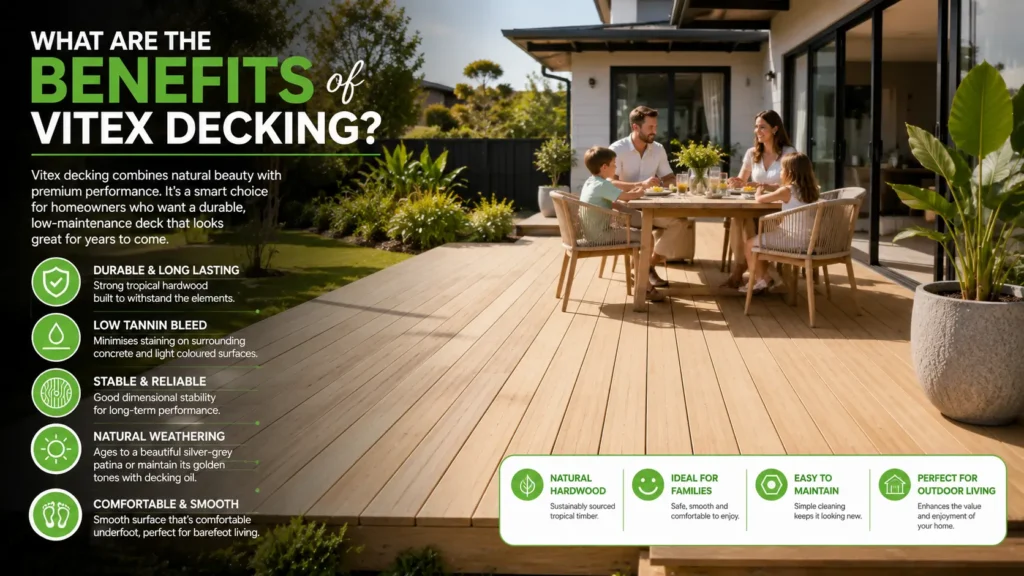
What Are The Benefits Of Vitex Decking?
Vitex decking has become a popular choice for homeowners, builders, and landscape designers who want a hardwood that combines natural beauty with dependable outdoor performance. Its light appearance, good durability, and relatively low maintenance requirements make it suitable for a wide range of residential projects. While no decking material is perfect for every situation, Vitex offers several practical advantages that make it well suited to modern outdoor living spaces.
Light and Contemporary Appearance
One of the biggest reasons people choose Vitex decking is its naturally light colour. Freshly installed boards typically feature soft golden, creamy, or pale brown tones that create a bright and welcoming outdoor area. This lighter appearance can make smaller decks feel more open while complementing a wide range of architectural styles.
Vitex works particularly well with:
- Modern homes: The clean, light finish pairs naturally with white exteriors, black window frames, concrete, glass, and contemporary landscaping.
- Coastal properties: Its soft colouring blends well with beach-inspired designs, natural stone, weathered timber, and open outdoor spaces.
- Minimalist landscapes: The subtle grain allows plants, outdoor furniture, and architectural features to become the focal point without competing for attention.
- Natural garden settings: Vitex complements lawns, native planting, and timber screening while maintaining a warm, organic appearance.
Compared with darker hardwoods such as Kwila, Vitex creates a lighter overall look. Kwila’s rich reddish-brown colour suits more traditional or bold designs, while Vitex appeals to homeowners looking for a softer and more contemporary finish. Both are attractive hardwoods, but the preferred choice often comes down to personal style and the overall design of the home.
Strong Durability for Outdoor Use
Vitex is widely recognised as a durable hardwood suitable for above-ground exterior decking applications. Its natural properties allow it to withstand outdoor conditions when installed correctly and maintained over time.
A durable hardwood provides long-term value because it is designed to cope with changing weather, moisture exposure, and everyday foot traffic. This makes Vitex a practical option for decks used for entertaining, outdoor dining, and daily family activities.
Some of its durability advantages include:
- Natural resistance to decay: Vitex has good natural durability that helps protect it against fungal decay in above-ground applications.
- Resistance to insect attack: The timber offers natural resistance to many wood-boring insects compared with less durable timber species.
- Suitable for changing climates: It performs well across a variety of weather conditions when supported by proper drainage and ventilation.
- Long service potential: Published product information indicates that above-ground service life can vary considerably depending on climate, installation quality, exposure to moisture, and ongoing maintenance rather than the timber species alone.
Even the most durable hardwood depends on good construction practices. Poor drainage, inadequate airflow beneath the deck, or incorrect installation can reduce the lifespan of almost any timber decking material.
Good Dimensional Stability
All timber expands and contracts as moisture levels change throughout the year. This natural movement is normal and occurs as wood absorbs or releases moisture from the surrounding environment.
Vitex is valued because it generally demonstrates good dimensional stability when properly dried before installation and installed according to the supplier’s recommendations. Stable timber is less likely to experience excessive twisting, cupping, or movement than less stable alternatives under similar conditions.
Several installation factors still play an important role in maintaining deck stability:
- Correct board spacing: Adequate gaps allow boards to expand and contract naturally while improving drainage.
- Proper ventilation: Airflow beneath the deck helps reduce moisture build-up and supports more consistent timber movement.
- Suitable fixings: High-quality corrosion-resistant fasteners help keep boards securely in place as seasonal movement occurs.
- Dry installation conditions: Installing timber at an appropriate moisture content helps reduce excessive movement after construction.
No hardwood is completely movement-free, but thoughtful installation can significantly improve the long-term appearance and performance of a Vitex deck.
Low Tannin Bleeding
Tannin bleed is a natural process where water carries tannins from timber onto nearby surfaces. These tannins are naturally occurring compounds found in many hardwood species and can leave brown or reddish stains on concrete, paving, walls, or plaster during the early stages after installation.
One advantage of Vitex is that it generally produces less noticeable tannin bleeding than several darker hardwood species. This reduces the likelihood of heavy staining around newly constructed decks, although it does not eliminate the possibility entirely.
Homeowners and builders should still take sensible precautions during installation.
- Protect nearby surfaces: Cover concrete, paving, rendered walls, and finished landscaping where practical.
- Manage water runoff: Prevent water from repeatedly flowing across unfinished timber onto surrounding surfaces.
- Clean spills promptly: Early cleaning can help minimise staining before tannins dry onto adjacent materials.
- Follow supplier guidance: Some suppliers recommend allowing timber to weather naturally before final cleaning of nearby surfaces.
Taking these simple steps helps reduce the risk of unnecessary cleaning or cosmetic repairs once the project is complete.
Smooth Finish Underfoot
Vitex has a fine, even texture that creates a comfortable walking surface for everyday outdoor use. Many homeowners appreciate the pleasant feel of the timber when walking barefoot, particularly around outdoor entertaining spaces.
This makes Vitex suitable for areas where comfort is just as important as appearance, including:
- Pool surrounds: The smooth surface provides a comfortable walking area around swimming pools when kept clean and properly maintained.
- Outdoor dining areas: Families and guests can comfortably move between indoor and outdoor spaces without rough or uneven surfaces.
- Children’s play areas: A well-finished deck offers a pleasant surface for children to play under normal household use.
- Covered patios: Fine-textured boards create an inviting extension of indoor living spaces.
Achieving this smooth finish depends on more than simply choosing the timber.
- Quality machining: Well-manufactured boards provide consistent dimensions and cleaner edges.
- Careful sanding: Any cut edges or exposed surfaces should be finished appropriately where required.
- Regular inspections: Checking for loose fixings, raised grain, or small splinters helps maintain a safe walking surface over time.
- Routine maintenance: Cleaning and occasional refinishing help preserve the deck’s appearance and comfort.
Like any natural timber, weather exposure gradually changes the surface. Regular care helps keep the deck looking and feeling its best.
Attractive Natural Weathering
Many homeowners appreciate the way Vitex ages naturally over time. If left without a colour-preserving finish, the timber gradually develops an attractive silver-grey appearance as sunlight and weather affect the surface fibres.
This colour change is completely natural and should not be confused with structural deterioration. The timber beneath the surface remains sound when the deck has been properly installed and maintained.
Homeowners generally choose one of two approaches.
- Maintain the original colour: Apply a suitable decking oil or protective coating according to the manufacturer’s recommendations to help retain the timber’s natural golden appearance.
- Allow natural weathering: Leave the timber unoiled so it gradually develops an even silver-grey patina that suits many contemporary and coastal homes.
Neither approach is right or wrong. The decision depends largely on personal preference, the home’s architectural style, and how much ongoing maintenance the owner is prepared to undertake.
Regardless of the preferred appearance, regular cleaning remains important. Removing dirt, leaves, algae, and other debris helps maintain the deck’s condition and reduces moisture build-up that can affect long-term performance.
Vitex decking offers an appealing combination of natural beauty, reliable durability, and practical outdoor performance. When installed using good construction practices and supported by regular maintenance, it provides a long-lasting decking solution that suits a wide range of home styles while giving homeowners the flexibility to preserve its original colour or embrace its naturally weathered character.
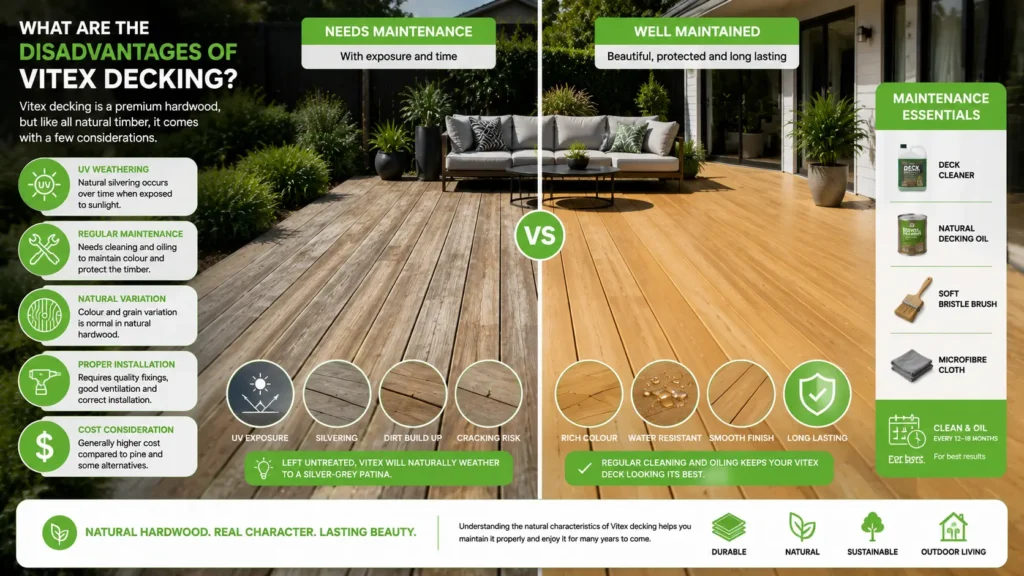
What Are The Disadvantages Of Vitex Decking?
While Vitex decking offers many advantages, it is equally important to understand its limitations before making a decision. No timber decking material is completely maintenance-free, and Vitex is no exception. Knowing what to expect helps you compare it fairly with other decking options and plan for the long-term care your outdoor space will require. For many homeowners, the benefits outweigh these drawbacks, but understanding them upfront leads to better decisions and fewer surprises after installation.
Higher Upfront Cost Than Treated Pine
One of the biggest disadvantages of Vitex decking is its higher initial cost compared with treated pine. As a durable hardwood, Vitex generally requires a larger investment in both materials and installation, making it less suitable for projects where keeping the upfront budget as low as possible is the main priority.
Several factors contribute to the higher overall cost.
- Hardwood material: Vitex is a naturally durable hardwood that typically costs more to produce, transport, and supply than entry-level softwood decking.
- Premium fixings: Hardwood decking is usually installed with high-quality stainless-steel screws to reduce the risk of corrosion and staining, particularly in coastal or high-moisture environments.
- Additional labour: Installing hardwood often takes more time because boards may require pre-drilling, careful alignment, and precise cutting.
- Protective finishing: Many homeowners choose to apply decking oil before or shortly after installation to preserve the timber’s original appearance, adding to the initial project cost.
Although Vitex decking costs more upfront, many homeowners view it as a long-term investment rather than simply choosing the lowest purchase price. Its durability, attractive appearance, and potential service life can provide better value over many years when properly installed and maintained.
Colour Changes Without Maintenance
Vitex is a natural timber, so its appearance will gradually change when exposed to sunlight and weather. If left untreated, the original light golden-brown colour slowly fades into an attractive silver-grey patina as ultraviolet light breaks down the surface fibres.
This weathering process is completely natural and does not necessarily mean the decking has become structurally weaker. Many homeowners actually prefer the soft grey appearance because it creates a more natural and coastal-inspired look.
If you want to preserve the original colour, regular maintenance is necessary.
- UV protection: Applying a suitable decking oil helps slow colour fading caused by sunlight.
- Routine cleaning: Dirt, leaves, and organic matter should be removed before reapplying protective finishes.
- Ongoing maintenance: Recoating intervals depend on product recommendations, climate, and the amount of direct sun the deck receives.
Weathering rates are rarely identical across an entire deck. Areas exposed to full sunlight throughout the day generally fade more quickly than sections protected by roofing, trees, or nearby buildings. This difference can create uneven colour changes unless maintenance is performed consistently across the entire surface.
Hardwood Installation Requires Care
Vitex decking should be installed carefully to achieve the best appearance and long-term performance. While experienced deck builders work with hardwoods regularly, DIY installers should understand that hardwood behaves differently from softer timber products.
One important consideration is pre-drilling. Because Vitex is denser than treated pine, driving screws directly into the boards may increase the risk of splitting, particularly near board ends. Pre-drilling creates cleaner fixings and helps reduce unnecessary stress on the timber.
Proper installation also includes selecting the right materials and following good construction practices.
- Stainless-steel fixings: High-quality corrosion-resistant screws help prevent rust stains and improve long-term durability.
- End sealing: Applying a suitable end-grain sealer after cutting boards can reduce moisture absorption through freshly exposed timber.
- Correct board spacing: Leaving appropriate gaps allows the boards to expand, contract, and drain water effectively.
- Good ventilation: Adequate airflow beneath the deck helps reduce trapped moisture that can shorten the life of both the decking boards and the supporting structure.
Poor installation practices can create problems that are difficult and expensive to correct later. Boards installed too tightly together may trap water, while inadequate ventilation can encourage persistent dampness beneath the deck. Incorrect fixing methods may also contribute to movement, surface cracking, or board splitting over time.
Board Colour and Grain Can Vary
Every piece of natural hardwood is unique, and Vitex decking is no different. Colour, grain pattern, and texture naturally vary from one board to another because each tree grows under different environmental conditions.
Some boards may appear lighter, while others show warmer golden tones or more pronounced grain patterns. These differences are normal characteristics of genuine hardwood rather than manufacturing defects.
Instead of judging the timber from a single display sample, it is better to examine multiple boards before purchasing. Viewing a larger selection provides a more realistic expectation of how the finished deck will look.
Professional installers often improve the overall appearance by mixing boards from several packs during installation. This spreads natural colour variation evenly throughout the deck instead of concentrating similar shades in one area, resulting in a more balanced and visually appealing finish.
Supply and Sourcing Can Vary
Not every timber supplier carries the same range of Vitex decking products. Board profiles, thicknesses, widths, available lengths, and grading standards may differ depending on the supplier and current stock availability.
If your project requires long boards, premium grades, or large quantities, ordering early can help reduce the risk of delays or shortages. This is particularly important during busy building seasons when hardwood demand may increase.
Before placing an order, take time to confirm where the timber comes from and how it has been sourced.
- Product availability: Check that the required board sizes and profiles are available before construction begins.
- Timber grade: Understand the grading system used by the supplier and inspect sample boards where possible.
- Responsible sourcing: Ask whether certification or chain-of-custody documentation is available to support responsible forestry practices.
- Delivery timing: Confirm expected lead times, particularly for larger or custom orders.
Choosing a reputable supplier helps ensure you receive consistent product quality, accurate installation guidance, and documentation that supports responsible and legally sourced timber.
Vitex decking remains an excellent hardwood option for many outdoor projects, but understanding these potential disadvantages allows you to plan more accurately and avoid unrealistic expectations. By balancing upfront costs, maintenance needs, installation requirements, and sourcing considerations against its durability and appearance, you can decide whether Vitex is the right decking material for your home and long-term lifestyle.
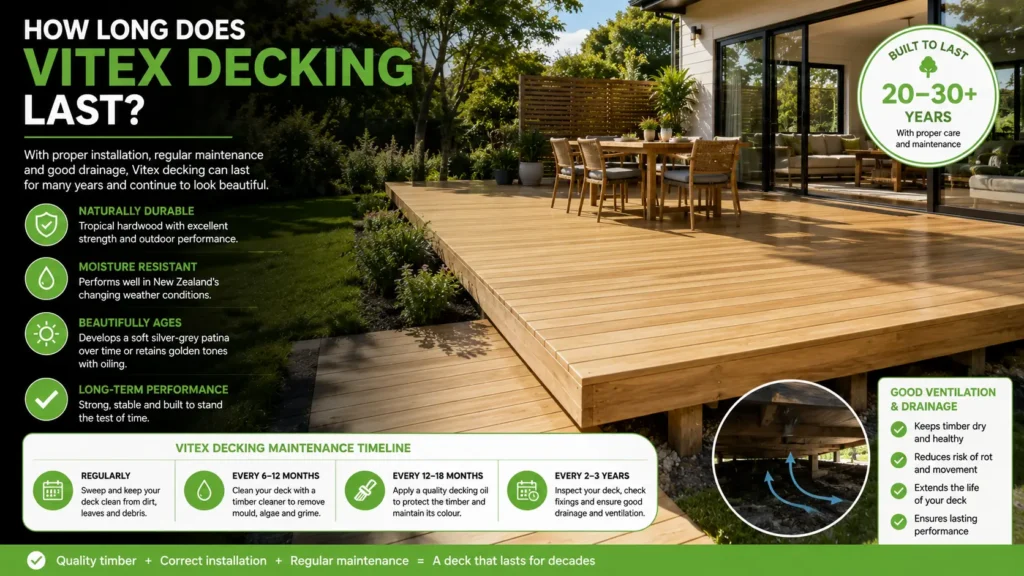
How Long Does Vitex Decking Last?
Vitex decking is valued for its durability, but no timber can be expected to last for a fixed number of years under every condition. Its service life depends on how well it is installed, the environment it is exposed to, and the level of ongoing care it receives. A well-designed and properly maintained Vitex deck can provide many years of reliable performance, while poor construction practices or neglected maintenance can significantly shorten its lifespan.
Rather than focusing on a guaranteed lifespan, it is more helpful to understand the factors that influence long-term performance. Climate, moisture exposure, deck height, ventilation, subframe quality, fixings, installation methods, and routine maintenance all play an important role in determining how long the decking remains structurally sound and visually appealing.
Some current product documentation classifies Vitex as a durable hardwood suitable for above-ground exterior applications and provides indicative service-life expectations under normal conditions. These should be viewed as general guidance rather than guarantees because every deck is exposed to different environmental and site conditions.
Factors That Affect Vitex Deck Lifespan
Several factors determine how well Vitex decking performs over time. Many of these are related to moisture management and construction quality rather than the timber itself.
- Climate: Areas with frequent rainfall, high humidity, or intense sunlight place greater demands on any timber deck. Constant wetting and drying cycles can increase natural movement within the boards and may require more frequent maintenance.
- Moisture Exposure: Timber performs best when water can drain away quickly. Decks that remain damp for long periods are more likely to experience surface staining, mold growth, and premature deterioration.
- Deck Height: Raised decks generally allow better airflow beneath the boards, helping moisture evaporate more efficiently. Very low-ground decks often retain more moisture unless they are carefully designed with adequate drainage and ventilation.
- Ventilation: Good airflow beneath the decking helps reduce moisture buildup and supports long-term timber performance. A well-ventilated subfloor is one of the simplest ways to improve the lifespan of hardwood decking.
- Subframe Condition: Even premium decking boards rely on a stable foundation. A subframe that shifts, settles, or deteriorates can create uneven loading, movement, and unnecessary stress on the decking.
- Fixings: Using high-quality corrosion-resistant fixings helps keep boards securely fastened over time. Stainless-steel screws are commonly recommended, particularly in coastal environments where corrosion risks are higher.
- Installation Quality: Proper board spacing, accurate fixing placement, end sealing where recommended, and correct joist spacing all contribute to the long-term performance of the deck. Small installation mistakes can lead to larger structural issues over time.
- Maintenance: Regular cleaning removes dirt, leaves, and organic matter that trap moisture against the timber. Applying a suitable decking oil when maintaining the original color can also help reduce weathering and keep the surface in good condition.
In addition to these general factors, several common issues can shorten the life of a Vitex deck if they are not addressed.
- Poor Drainage Beneath the Deck: Water that cannot drain away creates persistently damp conditions beneath the structure. This increases moisture exposure for both the decking boards and the supporting subframe.
- Inadequate Airflow: Limited ventilation slows the drying process after rain or cleaning. Over time, trapped moisture can encourage mold, algae, and decay in vulnerable areas.
- Soil Contact: Decking boards and structural framing should not remain in direct contact with soil. Continuous ground moisture increases the risk of timber deterioration and reduces airflow around the structure.
- Standing Water: Water that pools on the deck surface or beneath the framing should be corrected promptly. Improving drainage and adjusting the deck design where necessary helps prevent long-term moisture damage.
- Incorrect Fasteners: Fasteners that are not designed for exterior hardwood applications may corrode prematurely or fail to secure the boards properly. This can lead to movement, staining, or structural concerns.
- Excessive Board Spacing or Insufficient Gaps: Proper spacing allows timber to expand, contract, and drain effectively. Boards installed too closely together may trap debris and moisture, while excessive gaps can affect appearance and walking comfort.
- Coastal Exposure: Salt-laden air places additional stress on decking materials and metal fixings. Choosing suitable corrosion-resistant hardware and following a regular maintenance schedule becomes even more important in coastal locations.
- Lack of Cleaning: Leaves, dirt, and organic debris hold moisture against the timber. Routine cleaning helps preserve both the appearance and long-term condition of the deck.
- Structural Movement in the Subframe: Movement caused by unstable foundations, settling, or poor construction can transfer stress to the decking boards, resulting in uneven surfaces, loose fixings, or visible gaps.
Signs a Vitex Deck Needs Attention
Regular inspections allow small issues to be corrected before they become more expensive repairs. Checking your deck at least once or twice a year can help identify early signs of wear.
- Loose or Raised Fixings: Screws or fasteners that begin lifting out of the boards may indicate timber movement or subframe issues. Tightening or replacing them early helps maintain a safe walking surface.
- Splintering: Minor splinters can develop as timber naturally weathers. Sanding affected areas and maintaining the surface finish can improve comfort and appearance.
- Surface Checking: Small surface cracks are common in many hardwood species as they respond to seasonal moisture changes. While fine checking is often cosmetic, larger or deep cracks should be assessed to ensure they do not affect structural performance.
- Dark Moisture Patches: Persistent dark areas may indicate poor drainage, trapped moisture, or developing mold growth. Identifying and correcting the source of moisture helps prevent further deterioration.
- Soft or Decayed Sections: Timber that feels soft under pressure or shows signs of decay should be inspected promptly. Early repairs can often prevent more extensive structural work.
- Algae Growth: Green or black algae create slippery surfaces and usually indicate that moisture is remaining on the deck for extended periods. Routine cleaning and improved airflow help reduce recurring growth.
- Uneven Boards: Boards that become uneven or begin lifting may signal movement within the framing, loose fixings, or timber expansion. Addressing the cause early helps preserve both safety and appearance.
- Movement Around Stairs or Edges: Stairs, handrails, and deck edges experience frequent use and should remain stable. Any noticeable movement should be inspected to confirm that fixings and structural supports remain secure.
With proper design, quality installation, and regular maintenance, Vitex decking can remain an attractive and durable outdoor surface for many years. Paying attention to moisture management, structural support, and routine inspections will often have a greater impact on long-term performance than the timber species alone.
How Much Does Vitex Decking Cost?
The cost of Vitex decking depends on far more than the price of the timber itself. Material costs can vary between countries, suppliers, board profiles, timber grades, board widths, and the quantity you purchase. Installation costs also differ depending on your site’s complexity, labour rates, and any additional features included in the project. Rather than relying on a single national price, it is more useful to understand the factors that influence the overall budget so you can compare quotes more accurately and avoid unexpected expenses.
Vitex Decking Material Costs
The price of Vitex decking boards is influenced by several product-specific factors. While two suppliers may both sell Vitex, differences in grading, machining quality, and board specifications can result in noticeable price differences.
- Board dimensions: Wider and thicker boards generally cost more than narrower profiles because they require more timber. Larger boards may also reduce the number of joints across the deck, which can influence both appearance and installation time.
- Grade: Higher-grade Vitex boards usually have fewer knots, more consistent colour, and cleaner grain patterns. Premium grades often provide a more uniform finish, while lower grades may contain greater natural variation that suits more rustic designs.
- Smooth or grooved profile: Some Vitex boards are supplied with a smooth surface, while others feature grooves or reversible profiles. Profile selection can affect manufacturing costs, installation preferences, and the finished appearance of the deck.
- Random versus specified lengths: Random-length boards are often more readily available and may reduce material costs. Specified lengths can help minimize joins and waste on larger projects, although they may increase the purchase price depending on availability.
- Pre-oiled versus unfinished boards: Some suppliers offer Vitex decking that has already been coated with a protective oil or finish. While pre-oiled boards typically cost more upfront, they can reduce on-site finishing time and provide more consistent initial coverage.
- Delivery: Freight charges vary depending on the supplier’s location, delivery distance, and order size. Because decking boards are long and heavy, transportation can become a noticeable part of the total material cost, particularly for remote locations.
- Waste allowance: Most decking projects require extra material to account for cuts, trimming, and natural board selection. Ordering too little may delay the project, while ordering an appropriate waste allowance helps ensure colour consistency and installation efficiency.
- Supplier location: Prices often vary between suppliers because of freight, inventory, import costs, and local demand. Comparing multiple reputable suppliers allows you to evaluate both pricing and product quality rather than choosing solely on the lowest quote.
Vitex Deck Installation Costs
The installed cost of a Vitex deck includes much more than laying decking boards. Labour, structural work, and finishing details often make up a significant portion of the overall investment.
- Site preparation: Before construction begins, the site may need clearing, levelling, vegetation removal, or minor earthworks. The amount of preparation required depends on existing ground conditions.
- Subframe construction: A durable deck relies on a properly built subframe. The cost of joists, bearers, posts, brackets, and structural hardware can represent a substantial portion of the overall project budget.
- Labour: Installation costs depend on project size, deck complexity, local labour rates, and builder experience. Raised decks, custom layouts, and intricate designs generally require more installation time than simple rectangular decks.
- Stainless-steel fixings: High-quality stainless-steel screws and fasteners are commonly recommended for hardwood decking because they provide excellent corrosion resistance and long-term durability, especially in coastal environments.
- Stairs: Deck stairs increase both material and labour costs. The number of steps, landing size, and design complexity all influence the final price.
- Balustrades: Glass, timber, aluminium, or cable balustrades add both safety and visual appeal but also increase the overall project cost. Material selection has a significant impact on the final budget.
- Fascia boards: Fascia boards create a clean, finished edge around the deck while helping conceal the structural framing. Including fascia improves the finished appearance but adds extra materials and installation time.
- Oil or protective coating: Many homeowners choose to apply a decking oil or protective finish after installation to enhance appearance and reduce weathering. Labour and coating products should both be included in the budget if this work is part of the project.
- Waste removal: Offcuts, packaging, demolition debris, and general construction waste often require disposal. Some builders include waste removal in their quotations, while others list it separately.
- Difficult site access: Properties with steep slopes, narrow side access, or limited space for machinery can significantly increase labour requirements. Materials may need to be carried by hand, which adds time and cost to the installation.
Hidden Costs to Include in the Budget
Many homeowners focus on decking boards and labour but overlook additional costs that may arise before or during construction. Planning for these expenses early can help prevent budget surprises.
- Demolition of an existing deck: Removing an old deck involves labour, disposal fees, and sometimes additional repairs if hidden structural issues are discovered beneath the existing structure.
- Excavation: Uneven ground, new foundations, or retaining requirements may require excavation before construction can begin. The extent of excavation depends on the site’s natural conditions.
- Drainage: Proper drainage beneath a deck helps reduce moisture build-up and extends the life of both the decking boards and subframe. Some sites require additional drainage work before installation.
- Retaining work: Sloping sections may require retaining walls or other structural improvements before a deck can be safely constructed. These costs are often separate from the decking quotation.
- Council or design requirements: Depending on your location and the size or height of the deck, professional drawings, engineering input, or council approvals may be required before construction starts.
- Scaffolding: Elevated decks or projects with difficult access may require temporary scaffolding or edge protection to allow safe construction. This can increase labour and equipment costs.
- Engineering: Larger, elevated, or structurally complex decks sometimes require engineering design or certification to meet local building requirements.
- Material delivery: Large orders may attract additional freight charges, particularly for long-length boards or deliveries to remote locations. Always confirm whether delivery is included in the supplier’s quotation.
- Additional board wastage: Complex deck layouts with angled patterns, curved edges, or picture-frame borders often require more cutting, resulting in higher material wastage than standard rectangular decks.
- Ongoing maintenance products: Vitex decking benefits from regular cleaning and, if you wish to preserve its original colour, periodic applications of a suitable decking oil. Including future maintenance products in your long-term budget provides a more realistic picture of ownership costs.
The total cost of a Vitex deck is determined by much more than the timber alone. By considering material quality, installation requirements, and the hidden expenses that often accompany outdoor construction projects, you can compare quotations with greater confidence and plan a budget that reflects the true cost of building a durable, long-lasting deck.

Vitex Decking Compared With Other Materials
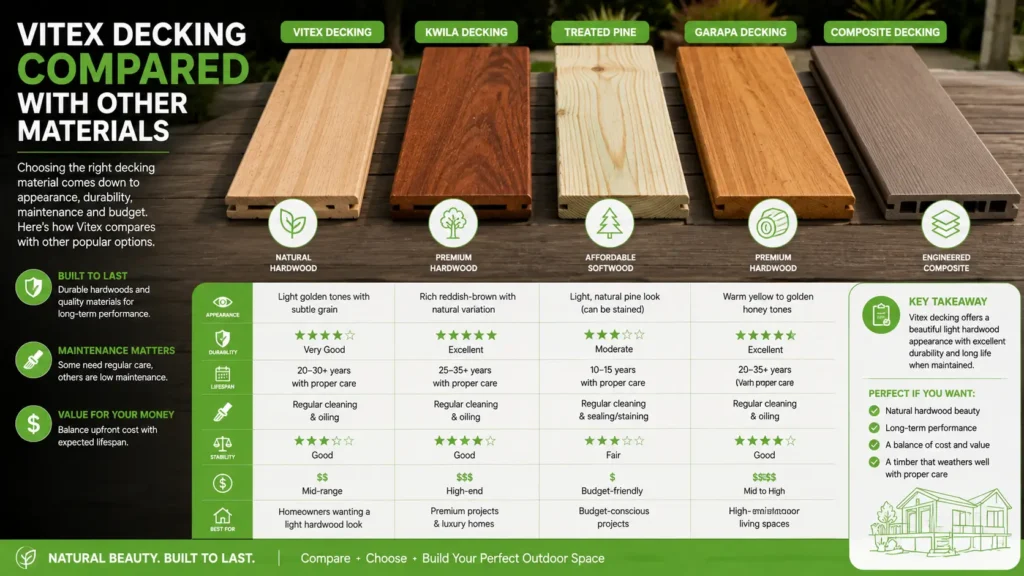
Choosing the right decking material is about more than appearance. Each option offers a different balance of durability, maintenance, cost, and long-term performance. Vitex decking is often selected for its light natural color and reliable outdoor durability, but it is not the only hardwood available. Comparing Vitex with other popular decking materials can help you understand which option best suits your home, budget, lifestyle, and design preferences.
Vitex Decking vs Kwila Decking
Vitex and Kwila are two of the most popular hardwood decking choices, but they create very different looks and require slightly different levels of care.
- Appearance: Vitex has a light cream to golden-brown color that suits modern and coastal-inspired homes. Kwila features a rich reddish-brown tone that creates a warmer, more traditional appearance.
- Tannin Bleeding: One of Vitex’s biggest advantages is its relatively low tannin bleed. Kwila naturally contains higher tannin levels, which can stain nearby concrete, pavers, walls, or driveways if rainwater carries the tannins onto surrounding surfaces during the first months after installation.
- Natural Weathering: Both species gradually weather to an attractive silver-gray if left untreated. Homeowners who prefer the original timber color will need to apply a suitable decking oil periodically.
- Availability: Kwila is widely stocked by many timber suppliers, while Vitex availability may vary depending on supplier inventory and imported stock levels. Ordering early is often worthwhile for larger projects.
- Price: Prices fluctuate depending on timber grade, board dimensions, and supplier. In many cases, Vitex and Kwila sit within a similar premium hardwood price range, although local supply can influence pricing.
- Maintenance: Both hardwoods require regular cleaning to remove dirt, leaves, and organic matter. Oiling is optional if you are happy with a naturally weathered finish, but maintaining the original color requires periodic recoating.
- Design Style: Vitex is often chosen for contemporary homes because its lighter color complements modern architecture, minimalist landscaping, and lighter exterior finishes. Kwila tends to suit classic homes where a deeper timber color is preferred.
Neither timber is universally better. The decision usually comes down to your preferred appearance, maintenance expectations, and whether tannin staining is likely to affect surrounding surfaces.
Vitex Decking vs Garapa Decking
Garapa is another light-colored hardwood that is sometimes compared with Vitex because both offer a bright, natural finish suitable for modern outdoor living areas.
- Colour and Grain: Vitex generally displays soft golden tones with an attractive interwoven grain, while Garapa often has a more uniform pale yellow appearance with a straighter grain pattern.
- Density: Both are durable hardwoods, although Garapa is generally denser. Higher density can contribute to strength but may also require additional care during installation, including more pre-drilling in some situations.
- Weathering: Like most hardwood decking, both timbers gradually develop a silver-gray appearance if exposed to sunlight without protective coatings. This natural weathering does not necessarily affect structural performance.
- Supplier Availability: Depending on your location, Vitex may be easier to source than Garapa, or the opposite may be true. Availability often depends on importer relationships and regional demand.
- Sourcing: Regardless of species, responsible sourcing is important. Ask suppliers about certification, chain-of-custody documentation, or evidence that the timber has been harvested legally and responsibly.
- Cost: Material prices vary between suppliers and fluctuate with import costs and market demand. Rather than focusing only on board price, compare the complete installed cost of each option.
- Project Suitability: Both materials work well for residential decks, pool surrounds, and outdoor entertaining spaces. Your final choice often comes down to visual preference, supplier availability, and confidence in the quality of the supplied timber.
Vitex Decking vs Treated Pine
Treated pine remains one of the most common decking materials because of its affordability, while Vitex appeals to homeowners looking for a premium hardwood finish.
- Upfront Price: Treated pine is usually one of the lowest-cost decking materials available, making it attractive for budget-conscious projects. Vitex requires a larger initial investment but offers the appearance and characteristics of a natural hardwood.
- Natural Durability: Vitex is naturally durable, while treated pine depends on preservative treatment to resist decay and insect attack. Both materials can provide long service lives when installed correctly and maintained appropriately.
- Appearance: Vitex offers natural hardwood grain, subtle color variation, and a premium finish. Treated pine has a lighter, softer appearance that many homeowners choose to stain or paint over time.
- Maintenance: Both materials benefit from regular cleaning. Treated pine often requires more frequent surface maintenance to preserve its appearance, while Vitex can either be oiled to maintain its natural color or left to weather naturally.
- Lifespan Expectations: Service life depends heavily on drainage, ventilation, installation quality, and maintenance rather than timber species alone. Proper construction plays a major role in the longevity of any deck.
- Fixing Requirements: Vitex, as a hardwood, commonly requires pre-drilling and high-quality corrosion-resistant fixings. Treated pine is generally easier to work with and may reduce installation time on simpler projects.
- Overall Value: Homeowners should compare more than the purchase price. Consider appearance, maintenance costs, expected lifespan, and how the finished deck complements the overall property. Paying more initially may provide greater long-term satisfaction if aesthetics are a high priority.
Vitex Decking vs Composite Decking
Composite decking has become increasingly popular among homeowners seeking low-maintenance outdoor spaces, but it differs significantly from natural timber products such as Vitex.
- Natural Appearance: Vitex offers authentic timber grain, unique color variation, and the character that only natural wood provides. Composite boards are manufactured to imitate timber but generally have a more uniform appearance.
- Heat Retention: Composite decking can become noticeably warmer under direct sunlight, particularly darker colors. Light-colored Vitex boards generally remain more comfortable underfoot during hot weather, although surface temperatures vary depending on climate and exposure.
- Maintenance: Composite decking eliminates the need for oiling but still requires regular cleaning to remove dirt, pollen, mold, and debris. Vitex also requires routine cleaning, with oiling being optional depending on your preferred appearance.
- Scratching: Natural timber can usually be sanded and refinished if surface damage occurs. Composite boards may be more difficult to repair once deeply scratched or gouged, depending on the manufacturer.
- Colour Stability: Composite products are designed to resist fading, although some weathering may still occur over time. Vitex naturally changes color with UV exposure unless maintained with suitable protective finishes.
- Installation Requirements: Composite systems often require manufacturer-specific fixing systems, joist spacing, and expansion allowances. Vitex follows conventional hardwood decking practices but still requires careful attention to spacing, ventilation, and appropriate fasteners.
- Initial Cost: Composite decking often has a higher initial purchase price than many timber options. When comparing costs, include subframe requirements, hidden fixing systems, and long-term maintenance expenses rather than looking only at board prices.
- End-of-Life Considerations: Vitex is a natural timber product that can often be repurposed or recycled depending on its condition. Composite decking combines wood fibers and plastics, which can make disposal or recycling more challenging depending on local waste facilities and manufacturer recycling programs.
Neither option suits every homeowner. Those who value the warmth and character of natural timber often prefer Vitex, while those seeking reduced maintenance may lean toward composite decking despite its higher upfront investment.
Choosing between Vitex decking and other materials ultimately depends on your priorities rather than finding a single “best” product. By comparing appearance, durability, maintenance, installation requirements, and long-term value, you can select a decking material that fits both your home and the way you plan to enjoy your outdoor space for years to come.
Is Vitex Decking Suitable For Your Home?
Choosing the right decking material is about more than appearance. The best option depends on your design preferences, budget, how much maintenance you are willing to do, and how you plan to use your outdoor space. Vitex decking appeals to many homeowners because it combines the natural beauty of hardwood with reliable outdoor durability, but it is not the perfect fit for every project. Understanding where it performs well and where another material may be more suitable will help you make a confident decision.
Vitex May Be a Good Choice If You Want
Vitex decking is often chosen by homeowners who value the look and feel of natural timber while still wanting a durable material for long-term outdoor use. It works particularly well for modern homes, family entertainment areas, and projects where a lighter timber finish complements the surrounding landscape.
- A Light-Coloured Hardwood: Vitex has a naturally pale appearance that creates a bright, open feel. It pairs well with contemporary homes, coastal-inspired designs, neutral landscaping, and modern outdoor furniture. If you prefer lighter timber over darker hardwoods such as Kwila, Vitex offers an attractive alternative.
- A Smooth Natural Finish: The timber has a fine texture and pleasant surface that feels comfortable underfoot when properly finished. This makes it suitable for outdoor dining areas, patios, and spaces where people often walk barefoot, including around swimming pools.
- Lower Tannin Bleed: One of Vitex’s advantages is that it generally produces less tannin staining than some darker hardwood species. While care should still be taken during installation, especially near concrete or paving, reduced tannin bleed can help minimise unwanted staining during the early life of the deck.
- Strong Outdoor Performance: Vitex is valued for its durability and stability in above-ground outdoor applications. When installed with proper drainage, ventilation, and quality fixings, it performs well in a range of weather conditions and provides dependable long-term service.
- A Deck That Can Weather to Silver-Grey: Some homeowners enjoy the natural aging process of timber. If left untreated with colour-preserving oil, Vitex gradually develops an even silver-grey patina that many people appreciate for its relaxed and timeless appearance.
- A Natural Alternative to Composite Boards: If you prefer the warmth, texture, and character of real timber instead of manufactured composite materials, Vitex offers an appealing option. Natural grain variation gives every deck a unique appearance that many homeowners find difficult to replicate with synthetic products.
Vitex May Not Be the Best Choice If You Want
Although Vitex offers many benefits, it may not suit every homeowner’s priorities. Before making a decision, it is worth considering whether its characteristics match your expectations for cost, appearance, and maintenance.
- The Lowest Upfront Cost: Vitex is a premium hardwood, so it generally costs more than entry-level treated pine. If your primary goal is to minimise initial construction costs, other decking materials may fit your budget better.
- No Colour Change: Like most natural hardwoods, Vitex responds to sunlight and weather exposure over time. Without regular oiling, the original golden tones gradually fade into a silver-grey finish. If you want the timber to retain its original colour, ongoing maintenance will be necessary.
- Almost No Maintenance: No timber decking is completely maintenance-free. Vitex still benefits from regular cleaning, inspections, and occasional refinishing to preserve its appearance and extend its service life. Homeowners looking for minimal upkeep may prefer composite decking instead.
- Uniform Synthetic Colouring: Natural timber contains variations in colour, grain, and texture, making every board slightly different. If you prefer a perfectly consistent appearance across every board, manufactured composite products generally provide greater colour uniformity.
- A Material Available From Every Local Supplier: Availability varies depending on location and supplier inventory. In some regions, Vitex may not be stocked as widely as treated pine or composite products, which can affect lead times and material selection.
- A DIY Product That Requires Minimal Installation Knowledge: While experienced DIY homeowners can install Vitex decking, hardwood requires greater attention to detail than many softwood products. Correct board spacing, pre-drilling where required, corrosion-resistant fixings, proper ventilation, and careful handling all contribute to the deck’s long-term performance.
Ultimately, Vitex decking is an excellent choice for homeowners who appreciate the beauty and character of natural hardwood and are prepared to maintain it properly. By weighing your design goals, budget, and maintenance expectations, you can decide whether Vitex is the right material to create an outdoor space that will look great and perform well for years to come.

Where Can Vitex Decking Be Used?
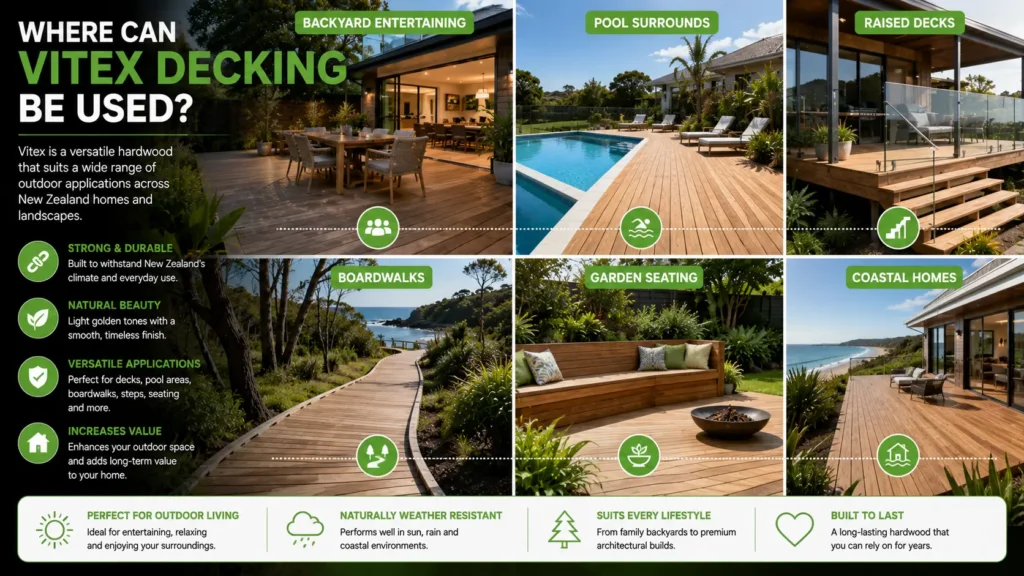
Vitex decking is a versatile hardwood that works well in a wide range of residential and light-commercial outdoor applications. Its natural durability, light color, and smooth texture make it suitable for everything from family entertaining areas to architectural landscape features. While the material performs well in many environments, achieving long-lasting results depends on proper design, quality installation, and ongoing maintenance that suits the local climate and site conditions.
- Ground-level residential decks: Vitex is well suited to low-level decks built around homes, patios, and gardens. Proper clearance beneath the deck and adequate airflow help reduce moisture buildup and support long-term performance.
- Raised decks: Raised decks can benefit from Vitex’s strength and dimensional stability when installed on a properly engineered subframe. Careful attention to structural support, drainage, and secure fixing methods is essential for elevated installations.
- Covered outdoor living spaces: Covered decks experience less direct exposure to sunlight and rain, helping preserve the timber’s natural color for longer. Even under cover, regular cleaning remains important to prevent dust, mold, and organic debris from accumulating.
- Pool surrounds: The smooth finish and comfortable feel underfoot make Vitex a popular option around swimming pools. Correct board spacing and drainage help reduce standing water and contribute to a safer outdoor environment.
- Coastal homes: Vitex can perform well in coastal settings when paired with corrosion-resistant fixings and a maintenance routine suited to salt-air conditions. Regular washing helps remove salt deposits that may affect both the timber and hardware.
- Boardwalk-style paths: Garden walkways and boardwalk-style paths can benefit from Vitex’s attractive appearance and durability. Proper substructure support and drainage are important where the deck is exposed to constant moisture.
- Steps and landings: Vitex provides an attractive finish for stairs and entry platforms. Consistent board alignment, secure fixings, and appropriate tread design improve both appearance and safety.
- Screening and privacy panels: Beyond decking, Vitex can also be used to create decorative privacy screens and outdoor partitions that complement matching deck surfaces and landscaping features.
- Outdoor seating and feature elements: Built-in benches, planter boxes, and architectural landscape features made from Vitex can create a cohesive outdoor design while taking advantage of the timber’s natural grain and light color.
Is Vitex Suitable Around Swimming Pools?
Yes, Vitex decking is commonly used around swimming pools because of its smooth surface, attractive appearance, and comfortable feel under bare feet. Its lighter color may also absorb less heat than some darker hardwoods, making it more comfortable during warm weather. The overall comfort of a pool deck will still depend on weather conditions, direct sun exposure, and the chosen surface finish.
No timber decking should be considered completely slip-proof. Surface grip changes depending on moisture, algae, dirt, sunscreen residue, and general maintenance. Regular cleaning helps reduce slippery surface buildup and supports safer everyday use around pools.
Proper installation also plays an important role in pool performance.
- Board orientation: Position boards to encourage efficient water runoff rather than allowing water to collect on the surface.
- Drainage: Design the surrounding area so water flows away from the deck, reducing standing moisture beneath and above the boards.
- Board spacing: Use the spacing recommended by the decking supplier to allow drainage while accommodating natural timber movement.
- Suitable fixings: Use high-quality corrosion-resistant stainless-steel fixings that can withstand constant exposure to moisture and pool environments.
- Regular cleaning: Remove leaves, dirt, and algae before they create slippery conditions or trap moisture against the timber.
With proper construction and routine maintenance, a Vitex pool deck can remain attractive, functional, and comfortable for many years.
Is Vitex Suitable for Coastal Areas?
Vitex decking can also be an excellent choice for coastal homes when installed using materials and construction methods suitable for marine environments. Coastal properties expose outdoor timber to salt-laden air, higher humidity, strong winds, and frequent moisture, all of which can accelerate wear if not properly managed.
One of the most important considerations is corrosion protection. Salt can affect screws, brackets, and other metal components long before the timber itself shows signs of deterioration.
- Marine-suitable fixings: Choose high-quality stainless-steel fixings recommended for coastal conditions to reduce the risk of corrosion and staining.
- Hardware compatibility: Ensure brackets, connectors, and fasteners are suitable for exterior coastal use so the entire deck system performs consistently.
- Ventilation: Maintain generous airflow beneath the deck to help the timber dry after rainfall, sea spray, or humid weather.
- Drainage: Prevent water from becoming trapped beneath the decking by providing adequate fall and unobstructed drainage paths.
- Routine washing: Periodically rinse the deck with fresh water to help remove accumulated salt deposits, particularly in locations close to the shoreline.
- Regular inspections: Check fixings, board condition, and drainage areas for early signs of corrosion, movement, or moisture-related issues so small problems can be addressed before they become costly repairs.
Homeowners near the coast should also expect outdoor timber to require more frequent maintenance than similar decks located further inland. Consistent cleaning and timely maintenance help preserve both the appearance of the timber and the performance of the deck over time.
Choosing the right design, installation methods, and maintenance routine allows Vitex decking to perform well across a variety of outdoor environments, from modern backyard entertaining spaces to coastal properties and poolside areas. Understanding how the timber responds to different conditions helps homeowners make informed decisions and enjoy a deck that remains attractive and functional for years to come.
How Should Vitex Decking Be Installed?
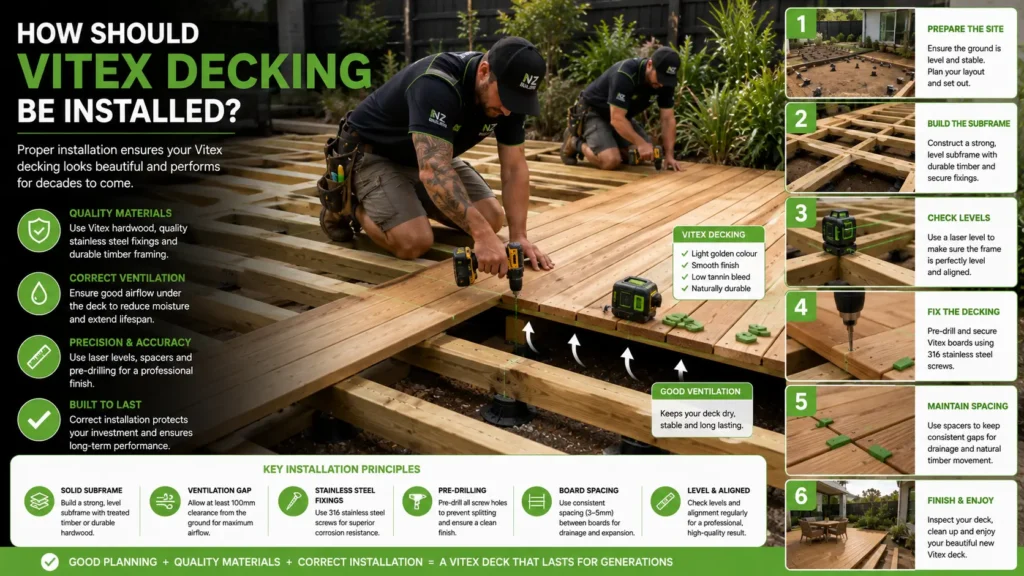
Installing Vitex decking correctly is just as important as choosing a high-quality hardwood. Even durable timber can develop avoidable problems if it is stored improperly, installed with incorrect fixings, or fitted without allowing for natural movement. Following the supplier’s installation instructions, the project specifications, and any applicable building requirements helps achieve a deck that looks better, performs reliably, and lasts longer. Careful workmanship at every stage, from preparation through to finishing, plays a major role in the deck’s long-term appearance, structural performance, and maintenance requirements.
Acclimatisation and Storage
Proper storage before installation helps protect Vitex decking from unnecessary movement, staining, and moisture-related issues. Hardwood responds to changes in temperature and humidity, so preparing the timber correctly before installation helps improve the finished result.
- Store boards flat: Stack the boards on level supports to prevent bending, twisting, or sagging while they are waiting to be installed.
- Keep timber off the ground: Raise the timber above the ground using evenly spaced supports to reduce contact with moisture and improve airflow around the boards.
- Protect from standing water: Cover the decking with a breathable protective cover that keeps rain off while allowing air to circulate. Avoid wrapping the timber tightly in plastic, as trapped moisture can create condensation.
- Allow acclimatisation when required: Depending on the supplier’s recommendations and the site conditions, allow the decking boards time to adjust to the local environment before installation. This helps reduce unexpected expansion or shrinkage after the deck is completed.
- Follow supplier guidance: Different manufacturers may specify storage methods, moisture conditions, or acclimatisation periods for their products. Always follow the instructions supplied with the decking material.
Board Spacing and Ventilation
Like all natural hardwoods, Vitex expands and contracts as moisture levels change throughout the year. Correct board spacing and proper ventilation allow this natural movement to occur while helping the deck dry efficiently after rain.
Adequate gaps between boards allow rainwater, leaves, and debris to pass through instead of collecting on the surface. Good drainage reduces the risk of standing water, which can encourage mold, mildew, and premature timber deterioration.
Ventilation beneath the deck is equally important. Air circulating around the underside of the boards helps moisture evaporate more quickly and supports the long-term health of both the decking and the subframe. Poor airflow can leave timber damp for extended periods, increasing the likelihood of decay and reducing the deck’s service life.
Board spacing should never be based on assumptions or copied from another project. The appropriate gap depends on factors such as the board dimensions, moisture content, profile, and the supplier’s installation recommendations. Always confirm the correct spacing before beginning installation.
Fixings and Pre-Drilling
The quality of the fixings has a direct impact on both the appearance and durability of a Vitex deck. Selecting suitable screws and installing them correctly helps prevent staining, movement, and long-term maintenance issues.
- Use corrosion-resistant fixings: Stainless steel or other corrosion-resistant fasteners are generally recommended, particularly in coastal or high-moisture environments where ordinary steel can rust and stain the timber.
- Pre-drill where recommended: As a dense hardwood, Vitex may require pre-drilling to reduce the risk of splitting, especially near board ends or edges. Always follow the decking supplier’s recommendations.
- Countersink carefully: Where required, countersinking allows the screw head to sit neatly within the board without damaging the surrounding timber surface.
- Maintain consistent fixing lines: Straight, evenly spaced fixing lines create a cleaner, more professional appearance while making future maintenance easier.
- Avoid overdriving screws: Driving screws too deeply can crush the timber fibres, reduce holding strength, and leave an uneven finish. Tighten fasteners until they are secure without forcing them below the recommended depth.
Sealing Cut Ends
Every time a decking board is cut, fresh end grain becomes exposed. End grain absorbs moisture much more readily than the face of the board, making it more vulnerable to swelling, checking, and weather-related damage if left untreated.
Applying a suitable end-seal product immediately after each cut helps reduce moisture absorption and supports the long-term durability of the timber. This small step can improve the overall performance of the deck, particularly in areas exposed to regular rainfall or changing weather conditions.
Use an end-sealing product that is compatible with the decking material and follow the coating manufacturer’s application instructions. Applying the product while the cut surface is clean and dry typically provides the best level of protection.
Pre-Oiling Before Installation
Many builders choose to coat Vitex decking before installation because it allows every face of the board, including the underside and edges, to receive an even layer of protection before they become inaccessible.
Pre-oiling can help slow moisture absorption, reduce uneven weathering, and create a more consistent finish across the entire deck. It may also improve the appearance of exposed board edges and reduce noticeable color differences as the timber ages.
Not every Vitex product requires pre-coating, and recommendations can vary between suppliers. Some manufacturers specifically recommend coating all sides before installation, while others provide different finishing systems based on the product supplied. Always check the supplier’s installation guide and the coating manufacturer’s instructions before applying any oil or protective finish.
Installing Vitex decking with careful preparation, quality workmanship, and the correct materials helps create a deck that not only looks attractive on completion but also performs well for many years. Following supplier recommendations at every stage reduces the risk of avoidable problems and helps protect your investment over the long term.
How Do You Maintain Vitex Decking?
Proper Vitex decking maintenance is about protecting both the appearance and the long-term performance of the timber. It helps to separate maintenance into two areas. Structural care focuses on keeping the deck sound, safe, and free from conditions that can shorten its lifespan, such as trapped moisture, poor drainage, and organic build-up. Cosmetic colour maintenance focuses on preserving the timber’s original light tones or managing its natural weathering as it ages. Understanding the difference allows you to choose a maintenance routine that matches both your aesthetic preference and the conditions around your home.
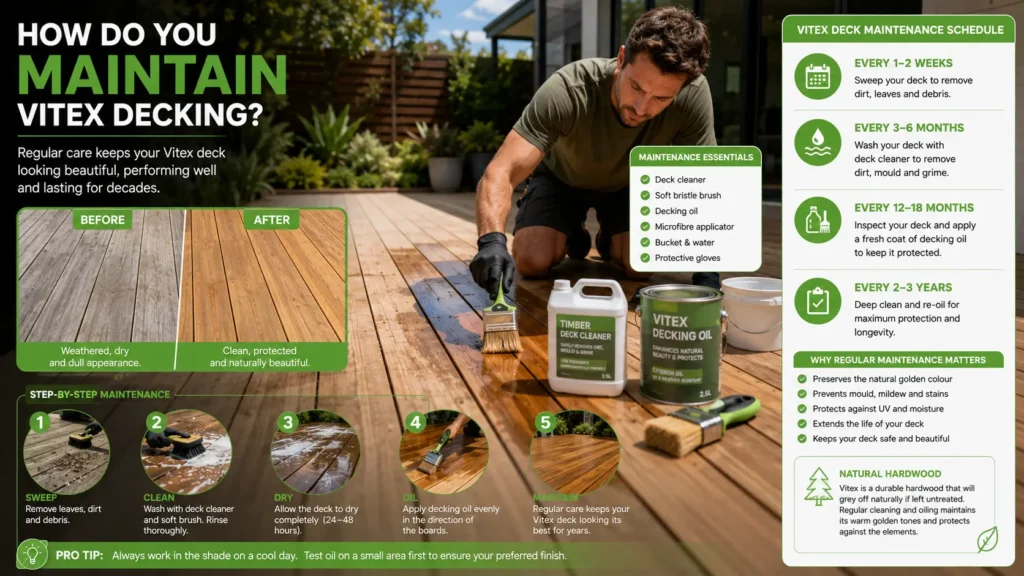
A simple maintenance routine includes regular sweeping, occasional washing with a timber-safe cleaner, inspecting the deck for debris and blocked drainage, and applying a suitable decking oil if you want to maintain the original colour. Consistent care is more effective than waiting until the deck shows visible signs of wear.
Regular Cleaning
Regular cleaning is the foundation of maintaining Vitex decking. Dirt, leaves, and organic debris may seem harmless, but they can trap moisture against the timber, creating conditions that encourage mould, algae, and surface staining. Routine cleaning also helps you spot small issues before they become larger maintenance problems.
A practical cleaning routine includes:
- Remove Loose Debris: Sweep away leaves, dust, twigs, and dirt regularly, especially during autumn or after storms. Keeping the surface clear reduces moisture retention and helps prevent staining.
- Clean Damp Areas: Pay extra attention to corners, beneath outdoor furniture, planters, and areas that receive little sunlight. These locations often stay damp longer and are more likely to develop mould or algae.
- Use a Timber-safe Cleaner: Choose a cleaner specifically formulated for hardwood decking. These products help remove dirt and organic growth without damaging the timber or affecting protective finishes.
- Avoid High-pressure Water Blasting: Excessive water pressure can lift wood fibres, create a rough surface, and shorten the life of protective coatings. If using a pressure washer, follow the equipment manufacturer’s recommendations for timber surfaces and use the lowest effective pressure.
- Keep Drainage Clear: Check that water can flow freely beneath and around the deck. Remove leaves from drainage channels, gaps between boards, and nearby gutters to reduce standing water.
Regular cleaning is one of the easiest ways to preserve both the appearance and durability of Vitex decking.
Oiling Vitex Decking
Decking oil helps protect the timber from moisture penetration while slowing the natural colour changes caused by sunlight. Although oil does not stop weathering completely, it helps retain the rich natural tones for longer and reduces the likelihood of the timber drying out excessively.
The frequency of oiling depends on several factors, including sun exposure, rainfall, foot traffic, and the specific product being used. Rather than following a fixed annual schedule, inspect the deck periodically and recoat it when recommended by the oil manufacturer or when the timber begins to look dry or faded.
Before applying a fresh coat of oil:
- Clean the Surface Thoroughly: Remove dirt, mould, and any previous surface contaminants that may prevent the oil from absorbing evenly.
- Allow the Timber to Dry Completely: Applying oil to damp timber can reduce penetration and lead to an uneven finish.
- Follow Product Instructions: Every decking oil has different application methods, drying times, and maintenance intervals. Always follow the manufacturer’s guidance for the best results.
- Apply Even Coats: Avoid over-applying the product, as excess oil may remain sticky or create uneven patches.
Regular inspections are more valuable than following a calendar. Environmental conditions vary greatly between properties, so maintenance should respond to the deck’s actual condition.
Allowing Vitex to Turn Silver-Grey
Many homeowners appreciate the natural silver-grey patina that develops as Vitex decking ages. This colour change occurs as the timber is exposed to ultraviolet light and weather over time. It is a normal process and does not automatically indicate that the deck is deteriorating.
If you prefer this weathered appearance, oiling is not necessary simply to preserve the original colour. Instead, your focus should shift to keeping the deck clean and structurally sound.
There are a few points to keep in mind:
- Expect Uneven Weathering Initially: Areas beneath outdoor furniture, roof overhangs, or shaded sections may grey more slowly than fully exposed boards.
- Maintain Regular Cleaning: Dirt, mould, and algae can still develop even if the deck is left to weather naturally. Cleaning helps maintain an attractive and consistent appearance.
- Monitor Moisture-prone Areas: Shaded sections often stay damp for longer periods, increasing the chance of biological growth if not cleaned periodically.
- Accept Natural Variation: Every hardwood deck weathers differently depending on climate, orientation, and surrounding vegetation.
Allowing Vitex to age naturally can create an attractive, low-maintenance finish while still preserving the structural integrity of the timber through routine care.
Removing Marks and Surface Stains
Most surface stains can be treated successfully when addressed early. The first step is identifying what caused the stain, as different contaminants often require different cleaning methods. Using the wrong product may damage the timber or make the stain more difficult to remove.
Before applying any cleaning product:
- Identify the Stain Type: Determine whether the mark is caused by food, grease, rust, mould, tannins from nearby plants, or another source.
- Test the Cleaner First: Apply the product to a small, hidden section of the deck to confirm that it does not affect the timber’s colour or finish.
- Use Timber-approved Products: Choose cleaners designed for hardwood decking whenever possible. These products are formulated to clean effectively while protecting the timber.
- Avoid Harsh Household Chemicals: Products such as household bleach or other aggressive cleaners should only be used if specifically approved for timber surfaces by the product manufacturer.
- Follow Supplier Recommendations: If rust stains, mould, food spills, or oil marks require specialised treatment, follow the decking supplier’s or cleaning product manufacturer’s guidance for the safest cleaning method.
Prompt attention to spills and stains usually produces better results than allowing contaminants to remain on the surface for extended periods.
Maintaining Vitex decking does not require complicated routines or frequent intensive work. Consistent cleaning, sensible moisture management, and appropriate surface protection help preserve both its appearance and long-term performance. Whether you choose to maintain its original golden tones or let it develop a natural silver-grey finish, regular care will help your deck continue looking its best for many years.
Common Vitex Decking Mistakes To Avoid
Choosing Vitex decking is only the first step toward building a durable and attractive outdoor space. How the timber is selected, installed, and maintained has a major impact on its long-term performance. Many common problems are avoidable with careful planning and attention to detail. Understanding these mistakes before your project begins can help you protect your investment, reduce maintenance issues, and enjoy a deck that looks and performs well for years.
Buying Without Checking the Grade
Not all Vitex decking is supplied to the same quality standard. Timber grading affects the appearance, consistency, and suitability of the boards for your project.
Before purchasing, ask your supplier how the timber has been graded and what level of natural variation you should expect. Some grades may contain more knots, color variation, or surface imperfections than others.
Consider the following when checking the grade:
- Board quality: Ask whether the boards are selected for premium appearance or standard structural use.
- Surface finish: Inspect the machining quality to ensure smooth edges and consistent dimensions.
- Natural features: Understand that small variations in grain and color are normal characteristics of natural hardwood.
- Project suitability: Confirm the supplied grade is appropriate for visible residential decking rather than general construction.
Taking time to inspect the timber before installation helps prevent disappointment once the deck is complete.
Assuming All Vitex Boards Will Match Exactly
One of the biggest misconceptions about natural timber is expecting every board to look identical. Unlike manufactured materials, Vitex decking displays natural variation in grain, shade, and texture.
This variation creates the character that many homeowners appreciate, but it also means planning the board layout is important.
To achieve a balanced appearance:
- Mix boards: Alternate boards from different packs during installation to distribute color variation naturally.
- Lay out first: Position the boards before fixing them permanently to visualize the overall look.
- Accept variation: Small differences in color and grain are signs of genuine hardwood rather than manufacturing defects.
- Order consistently: Purchase all decking from the same supplier and preferably from the same production batch where possible.
A little planning produces a more natural and visually balanced deck.
Using Unsuitable Fixings
The quality of the fixings is just as important as the decking boards themselves. Incorrect screws or fasteners can stain the timber, corrode over time, or reduce the deck’s structural integrity.
Vitex is a durable hardwood, so selecting corrosion-resistant fixings designed for exterior timber applications is essential.
When choosing fixings:
- Material: Use high-quality stainless-steel fixings where recommended, particularly in coastal environments.
- Compatibility: Follow the decking supplier’s recommendations for suitable screw types.
- Durability: Avoid low-grade fasteners that may rust or fail prematurely.
- Appearance: Quality fixings help reduce staining around screw heads and maintain a cleaner finish.
Proper fixings protect both the appearance and lifespan of the completed deck.
Skipping Pre-Drilling Where Needed
Vitex is denser than many softwood decking materials. Driving screws directly into the timber without pre-drilling can increase the risk of splitting, especially near board ends.
Although installation methods vary depending on the fixing system, pre-drilling is commonly recommended in many situations.
Benefits of pre-drilling include:
- Reduced splitting: Minimizes stress around fasteners.
- Cleaner installation: Helps screws sit neatly and consistently.
- Improved board stability: Reduces damage during installation.
- Professional finish: Produces straighter fixing lines across the deck.
Always follow the installation recommendations provided by your decking supplier.
Ignoring End Sealing
Freshly cut timber exposes the end grain, which absorbs moisture more readily than the face of the board. Leaving cut ends untreated can increase moisture movement and affect the long-term condition of the decking.
End sealing is a simple step that is often overlooked.
Good practice includes:
- Seal every cut: Apply an approved end-sealing product immediately after trimming.
- Protect exposed timber: Reduce unnecessary moisture absorption.
- Follow product instructions: Use products designed for exterior hardwood decking.
- Maintain consistency: Treat every exposed end rather than only visible cuts.
This small step can contribute to better long-term performance.
Installing Boards Without Sufficient Airflow
Ventilation beneath a deck is essential for controlling moisture. Poor airflow can leave timber damp for extended periods, increasing the likelihood of mold, mildew, and premature deterioration.
Good deck design allows air to circulate freely beneath the boards.
Important considerations include:
- Subframe clearance: Leave adequate space beneath the deck where possible.
- Drainage: Prevent water from collecting below the structure.
- Board spacing: Install boards according to the supplier’s recommended gaps.
- Ventilation paths: Avoid enclosing the underside of the deck without allowing airflow.
Proper ventilation helps keep both the decking and subframe dry.
Allowing Soil or Mulch to Contact the Boards
Direct contact with soil, mulch, or garden beds traps moisture against the timber. Constant moisture exposure can shorten the life of both the decking boards and supporting structure.
Maintain a clear separation between the deck and surrounding landscaping.
To reduce moisture problems:
- Keep clearance: Leave space between the deck and garden materials.
- Manage vegetation: Trim plants that restrict airflow beneath or around the deck.
- Remove debris: Regularly clear leaves and organic matter from deck edges.
- Improve drainage: Prevent water from pooling beside the deck.
Good landscaping practices support long-term timber performance.
Applying Oil to Dirty or Wet Timber
Decking oil performs best when applied to clean, dry timber. Dirt, moisture, and surface contaminants can reduce absorption and produce an uneven finish.
Preparing the surface properly improves both appearance and durability.
Before applying oil:
- Clean thoroughly: Remove dirt, dust, mold, and old residue.
- Allow drying: Ensure the timber has dried completely after washing.
- Check weather conditions: Choose suitable temperatures and avoid rain during application.
- Follow manufacturer guidance: Apply the recommended number of coats using the specified method.
Taking time to prepare the surface produces better results than rushing the process.
Expecting the Original Colour to Remain Without Maintenance
Many homeowners are surprised when Vitex decking gradually changes color after exposure to sunlight. This is a normal characteristic of natural hardwood.
Without protective coatings designed to retain its appearance, the timber will slowly develop a silver-gray patina.
Keep these expectations in mind:
- Natural weathering: Color change does not necessarily indicate damage.
- Regular oiling: Helps maintain the original golden appearance if desired.
- Appearance preference: Some homeowners prefer the weathered look and choose not to oil the timber.
- Ongoing care: Cleaning remains important regardless of the chosen finish.
Understanding this natural process helps avoid unrealistic expectations.
Choosing a Supplier Without Checking Sourcing Information
Responsible sourcing is becoming increasingly important for many homeowners. Buying from a reputable supplier provides greater confidence in both product quality and timber origin.
Ask questions before placing your order.
Look for:
- Source transparency: Ask where the Vitex timber was harvested.
- Certification: Request information about responsible forestry practices where available.
- Supplier reputation: Choose businesses with proven experience supplying hardwood decking.
- Product documentation: Review installation guides, maintenance recommendations, and warranty information.
A knowledgeable supplier is often just as valuable as the timber itself.
Failing to Include Waste in Material Calculations
Ordering the exact measured deck area rarely provides enough material to complete a project. Cutting boards to fit edges, corners, stairs, and picture-frame borders naturally creates waste.
Including an allowance during planning helps prevent delays and inconsistent board batches.
When estimating materials:
- Allow for offcuts: Factor in trimming and layout adjustments.
- Consider deck complexity: Curves, angles, and multiple levels usually increase waste.
- Order early: Buying all boards together helps maintain better color consistency.
- Confirm quantities: Ask your supplier or installer to calculate the required allowance for your project.
Accurate planning reduces unnecessary interruptions and helps the installation progress more smoothly.
Choosing quality Vitex decking is only part of building a long-lasting outdoor space. Careful material selection, proper installation techniques, realistic maintenance expectations, and thoughtful planning all contribute to a deck that performs well over time. Avoiding these common mistakes can save time, reduce future repairs, and help you enjoy the natural beauty of Vitex decking for many years.
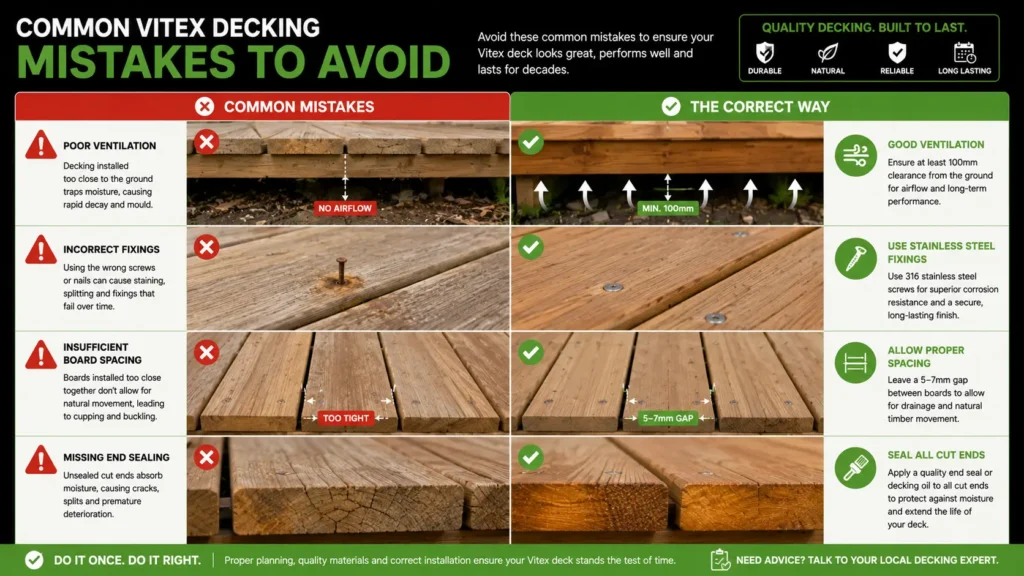
How To Choose Quality Vitex Decking
Choosing quality Vitex decking involves more than comparing prices. The grade of the timber, board dimensions, moisture content, sourcing practices, and installation recommendations all influence how your deck will look and perform over time. Spending a little extra time evaluating these factors before you buy can help you avoid installation issues, reduce maintenance problems, and achieve a more attractive and durable outdoor space.
Check the Timber Grade
Not all Vitex decking boards are manufactured to the same standard. Timber grading helps identify the overall quality of each board by assessing its appearance, structural condition, and suitability for decking applications. Understanding the grade before you purchase gives you a better idea of what to expect once the deck is installed.
Ask the supplier how the timber is graded and what level of natural variation is considered acceptable. Some variation in colour and grain is normal with hardwood, but excessive defects can affect both appearance and long-term performance.
When inspecting the boards, look carefully for visible defects rather than relying only on product descriptions.
- Surface quality: Check for smooth machining with clean edges and a consistent finish.
- Checking and splits: Small surface checks can occur naturally, but large cracks or deep splits may reduce the board’s lifespan.
- Warping: Lay several boards together to see if they remain reasonably straight without significant twisting or bowing.
- Knots and defects: Confirm whether natural features fall within the advertised grading standard.
- Exterior suitability: Make sure the product is specifically intended for exterior decking rather than interior applications or general construction.
If possible, inspect several packs instead of a single sample board. This provides a more realistic representation of the colour variation and machining quality you can expect across the entire project.
Confirm Board Size and Profile
The size and profile of Vitex decking boards affect both the finished appearance and the installation process. Different suppliers may offer various dimensions and profiles, so it is important to compare specifications before placing an order.
Board width influences the visual style of the deck. Wider boards can create a more contemporary appearance, while narrower boards often produce a more traditional look.
Board thickness contributes to structural performance and should always be compatible with the recommended joist spacing.
Before purchasing, confirm the following details with your supplier.
- Width: Understand the actual finished board width and the effective coverage after spacing between boards.
- Thickness: Confirm the board thickness matches the intended structural design.
- Surface profile: Decide whether you prefer a smooth face or a grooved face based on appearance and maintenance preferences.
- Reversible profile: Some boards offer two usable faces, providing additional design flexibility.
- Available lengths: Ask what board lengths are stocked to reduce unnecessary joins and material waste.
- Moisture condition: Confirm whether the boards are kiln-dried or supplied with a higher moisture content that may require acclimatisation.
- Coverage per square metre: Calculate how many boards are required, including a reasonable allowance for cutting and waste.
Reviewing these specifications early helps avoid ordering errors and simplifies the installation process.
Ask About Responsible Sourcing
Responsible timber sourcing is becoming increasingly important for homeowners who want to reduce environmental impact while supporting legal and sustainable forestry practices.
Rather than assuming all hardwood products meet the same environmental standards, ask the supplier where the Vitex timber was harvested and whether documentation is available to support its origin.
Useful questions include:
- Country of origin: Confirm where the timber was grown and processed.
- Forestry certification: Ask whether recognised certification schemes apply to the product.
- Chain of custody: Request information showing how the timber has been tracked throughout the supply chain.
- Supplier declarations: Ask for written confirmation regarding legal harvesting and responsible sourcing practices.
- Independent documentation: Where available, review supporting certificates or third-party verification documents.
Suppliers who openly provide this information often demonstrate greater transparency and confidence in their products.
Review the Supplier’s Installation Guidance
Even high-quality Vitex decking can experience problems if it is installed incorrectly. Every manufacturer or supplier may have slightly different recommendations based on the board profile, moisture condition, and intended application.
Before construction begins, carefully review the installation guide and discuss any questions with your builder or supplier.
Important areas to review include:
- Fixing type: Confirm the recommended screws or concealed fixing systems, particularly for coastal environments where corrosion resistance is important.
- Joist spacing: Follow the recommended spacing to minimise board movement and provide adequate structural support.
- Ventilation: Ensure there is sufficient airflow beneath the deck to reduce moisture buildup.
- Coating: Check whether the boards should be coated before or after installation and which products are recommended.
- End sealing: Determine whether freshly cut ends should be sealed to reduce moisture absorption.
- Storage: Follow instructions for storing the timber before installation to prevent unnecessary movement or damage.
- Warranty conditions: Understand any installation requirements that must be followed to maintain warranty coverage.
Using the supplier’s guidance helps protect your investment and reduces the likelihood of avoidable problems later.
Order Samples Before Buying
Photographs on websites and brochures rarely show the full character of natural timber. Lighting, camera settings, and screen calibration can all influence how the timber appears.
Ordering samples allows you to evaluate the material in your own environment before committing to a larger purchase.
When reviewing samples, take time to compare them under different conditions.
- Natural lighting: View the timber outdoors during different times of the day to see how the colour changes.
- Surface texture: Feel the board to assess its smoothness and overall finish.
- Material compatibility: Compare the timber alongside your home’s exterior cladding, paving, landscaping, and outdoor furniture.
- Fresh versus weathered appearance: Review examples of both newly installed and naturally weathered Vitex so you understand how the deck may change over time.
Small sample boards can provide valuable confidence before making a significant investment, especially when choosing a natural hardwood with unique colour and grain variation.
Choosing quality Vitex decking starts with asking the right questions before you buy. By carefully reviewing timber grade, board specifications, responsible sourcing, installation guidance, and physical samples, you can make a more informed decision and select decking that delivers both lasting performance and the appearance you want for your outdoor living space.
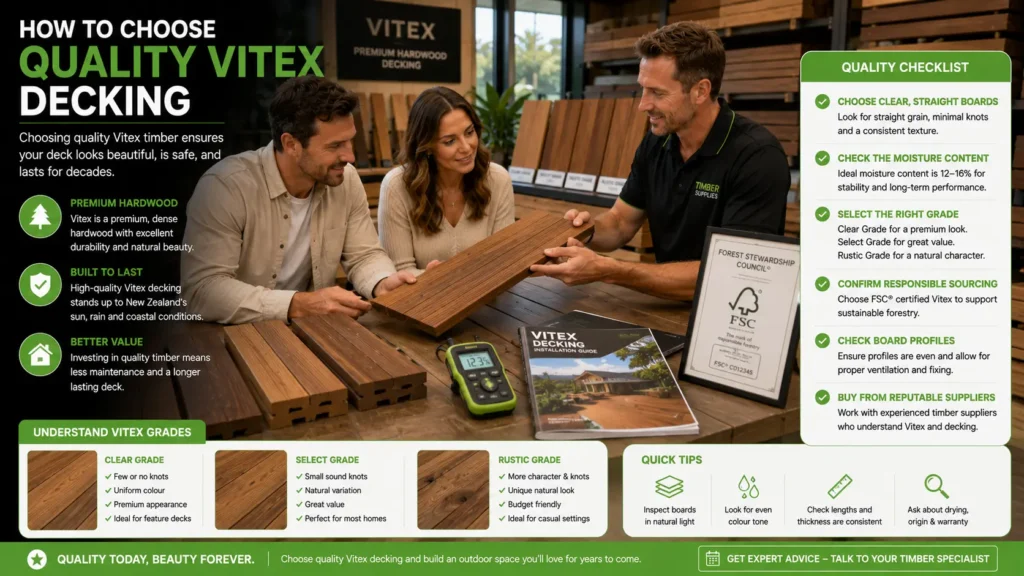
Should You Install Vitex Decking Yourself?
Deciding whether to install Vitex decking yourself depends on the size and complexity of your project, your level of carpentry experience, and the tools you have available. While a straightforward deck may be suitable for a confident DIY homeowner, Vitex is a hardwood that requires careful handling and accurate installation techniques. Poor workmanship can affect the deck’s appearance, drainage, structural performance, and long-term durability. Before starting, consider the project’s complexity and whether you can achieve the same standard of finish that an experienced deck builder would deliver.
When DIY Installation May Be Suitable
Some Vitex decking projects are well suited to homeowners with practical building skills. If the project is simple and you understand the manufacturer’s installation recommendations, a DIY approach can be a rewarding way to save on labor costs while creating an attractive outdoor space.
A successful installation still depends on accurate measurements, proper planning, and attention to detail. Because Vitex is a hardwood, it is less forgiving than softer timber products if mistakes are made during cutting or fixing.
A DIY installation may be suitable under the following conditions:
- Small ground-level deck: A compact deck built close to the ground is generally easier to construct because it usually involves fewer structural components and simpler framing requirements.
- Simple rectangular layout: Straightforward designs with minimal angles, curves, or built-in features are easier to measure, frame, and install accurately.
- Existing sound subframe: If the supporting structure is already in excellent condition and meets current requirements, replacing only the decking boards can significantly reduce the complexity of the project. Always inspect the framing carefully for rot, movement, or damaged fixings before reusing it.
- Appropriate tools and experience: Installing hardwood decking requires quality saws, drills, measuring equipment, clamps, and suitable drill bits. Previous experience with carpentry or outdoor construction will help achieve cleaner cuts, consistent board spacing, and secure fixings.
- Clear supplier guidance: Reputable suppliers provide installation recommendations covering board spacing, fixing methods, end sealing, ventilation, and maintenance. Following these instructions closely helps protect both the appearance and long-term performance of the deck.
Even on smaller projects, take the time to plan board layout before installation begins. Mixing boards from different packs can help create a more balanced appearance, while checking measurements throughout the project reduces the risk of uneven gaps or alignment issues.
When to Hire a Professional Deck Builder
Some projects involve technical requirements that go beyond the skills of most DIY homeowners. Hiring an experienced deck builder can help prevent costly mistakes, ensure compliance with local building requirements, and deliver a higher-quality finish that protects your investment.
Professional installers understand how hardwood materials such as Vitex behave in different weather conditions and know how to manage issues such as moisture movement, drainage, ventilation, and structural support.
Hiring a professional is often the better option for the following situations:
- Raised decks: Elevated decks require carefully engineered framing, footings, and load-bearing support to ensure the structure remains safe and stable over time.
- Stairs or balustrades: These features require precise measurements and must often comply with local building and safety standards to reduce the risk of accidents.
- Complex layouts: Multi-level decks, curved edges, built-in seating, planters, pergolas, and custom features require advanced planning and skilled construction techniques.
- Difficult access: Properties with steep slopes, restricted entry, or limited machinery access often require specialized equipment and additional labor to complete the project safely.
- Structural work: If the project involves replacing framing, installing new foundations, or connecting the deck to an existing building, professional construction experience becomes especially valuable.
- Pool surrounds: Decking installed around swimming pools requires careful consideration of drainage, board spacing, slip resistance, and appropriate corrosion-resistant fixings.
- Consent or engineering requirements: Some decks may require building consent, engineering design, or compliance with local regulations. Professional builders are familiar with these processes and can help avoid delays or costly corrections.
- High-value hardwood materials: Vitex is a premium hardwood, and installation mistakes can result in unnecessary material waste and expensive replacements. Professional installation helps protect the value of the timber while achieving a cleaner, longer-lasting finish.
When comparing deck builders, ask about their experience with hardwood decking, request examples of completed projects, and confirm that they follow the manufacturer’s installation recommendations. A detailed written quotation should clearly outline materials, labor, timelines, warranties, and any exclusions before work begins.
Choosing between DIY installation and hiring a professional comes down to balancing cost, skill, and project complexity. A simple deck may be manageable for an experienced homeowner, but larger or more technical projects often benefit from professional workmanship that delivers lasting performance, safety, and peace of mind.
Ready to find out whether Vitex decking is right for your project? Explore our expert decking advice, compare material options, and speak with a trusted decking specialist who can assess your site, explain costs, and help you choose the right boards, fixings, and finish for a durable, well-planned outdoor space.
References
- ITI NZ – Building Product Information Sheet: Vitex Decking
https://iti.net.nz/download.aspx?id=72a1b86b-da11-4091-9573-dba4d65ce9d4 (iti.net.nz) - JSC Timber – Vitex Decking
https://jsc.co.nz/vitex-decking (jsc.co.nz) - Hurford Wholesale New Zealand – Vitex Decking
https://hurfords.co.nz/product/vitex-decking/ (hurfords.co.nz) - PlaceMakers – Vitex Installation and Maintenance Guidelines (PDF)
https://www.placemakers.co.nz/medias/sys_master/root/h1a/h7d/10218289922078/decking-guides-vitex/decking-guides-vitex.pdf (placemakers.co.nz) - Independent Wholesale Distribution – Vitex Timber
https://www.iwd.co.nz/products/vitex/ (iwd.co.nz)
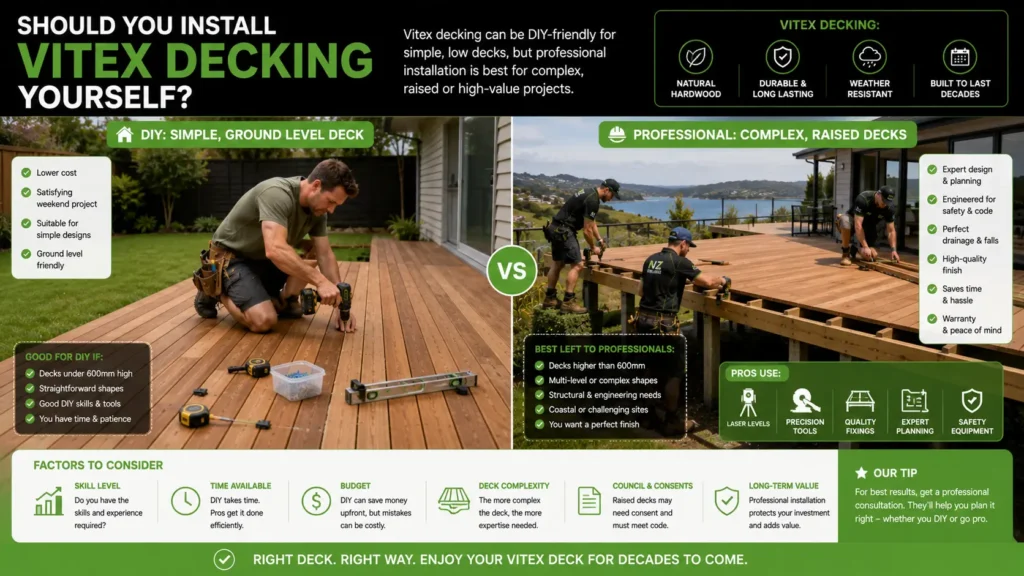
FAQs: About Vitex Decking
What is Vitex decking?
Vitex decking is a tropical hardwood commonly used for outdoor decks because of its natural durability, light color, and smooth grain. It is valued for its attractive appearance, relatively low tannin bleed, and ability to perform well in a range of outdoor environments when installed and maintained correctly.
Is Vitex decking a good choice for outdoor decks?
Vitex decking is a popular choice for homeowners who want a durable hardwood with a modern, light-colored appearance. It offers a balance of strength, stability, and natural beauty, making it suitable for residential decks, entertaining areas, and pool surrounds.
How long does Vitex decking last?
The lifespan of Vitex decking depends on factors such as installation quality, drainage, ventilation, climate, and ongoing maintenance. When properly installed and cared for, it can provide many years of reliable performance in above-ground outdoor applications.
Does Vitex decking require regular maintenance?
Yes. Regular sweeping, cleaning, and occasional recoating with a suitable decking oil can help maintain its appearance and protect the timber. If you prefer a natural silver-gray finish, routine cleaning is still recommended to prevent dirt, mold, and algae from building up
Does Vitex decking turn gray over time?
Yes. Like most natural hardwoods, Vitex gradually develops a silver-gray patina when exposed to sunlight and weather. This color change is a natural aging process and does not automatically indicate that the timber has deteriorated.
Is Vitex decking better than Kwila?
Neither material is universally better because each offers different advantages. Vitex is often chosen for its lighter appearance and lower tannin bleed, while Kwila is known for its rich reddish-brown color and distinctive hardwood character. The best option depends on your design preferences, budget, and maintenance expectations.
Is Vitex decking suitable for coastal homes?
Vitex decking can perform well in coastal environments when installed using appropriate construction methods and corrosion-resistant fixings. Good ventilation, proper drainage, and regular maintenance become even more important in areas exposed to salt air and moisture.
Can Vitex decking be used around swimming pools?
Yes. Its smooth surface and natural appearance make it a popular option for poolside decks. Regular cleaning, proper drainage, and careful installation help maintain both safety and the long-term condition of the timber.
How much does Vitex decking cost?
The cost of Vitex decking varies depending on board dimensions, grade, supplier, location, project size, and installation requirements. In addition to the decking boards, homeowners should budget for subframe materials, labor, fixings, coatings, delivery, and any site preparation work.
How do I choose quality Vitex decking?
Choose a reputable supplier that provides consistent grading, quality machining, and information about responsible sourcing. It is also worth requesting timber samples, reviewing installation recommendations, and confirming the available board sizes, profiles, and warranty details before placing an order.
Conclusion
Choosing the right Vitex decking involves more than comparing prices. Take time to view timber samples in natural daylight so you can see the true color, grain, and natural variation before making a decision. Ask your supplier where the timber comes from, whether it has been responsibly sourced, what grade is being supplied, and which board dimensions best suit your project. It is also worth discussing the recommended installation methods, including board spacing, suitable fixings, ventilation, and any finishing products needed to help maximize the deck’s appearance and lifespan. Before committing, request a detailed written quotation that clearly outlines the cost of the decking boards, subframe, fixings, labor, finishing products, delivery, and waste removal so you understand exactly what is included and can compare quotes fairly. Speaking with an experienced decking supplier or builder, requesting material samples, and arranging a site assessment before finalizing your deck design can help you make a confident decision and reduce the risk of unexpected costs or installation issues later.