Welcome to your quick guide on how much a 20×20 deck would cost, giving you a clear sense of what homeowners typically spend and what shapes the final price so you can start planning with confidence. This size deck offers plenty of room for seating, grilling, and gatherings, but the total investment depends on several factors such as the material you choose, the complexity of the design, local labor rates, and any extras you add along the way. Many people expect a simple number, but real costs vary widely because each deck comes with its own needs, from site prep to railing choices to permit requirements. By breaking down these moving parts, you can map out a realistic budget and avoid surprises, whether you want a basic structure or something more custom. You’ll see how different materials compare, what you might pay for labor, where hidden costs show up, and how small choices can change your entire quote.
A 20×20 deck usually costs between 8,000 and 24,000, depending on materials, labor rates, add-on features, and local permit fees. Basic wood decks fall on the lower end, while composite and premium builds push the total higher.
Table of Contents
What You Should Know Before Pricing A 20×20 Deck
A 20×20 deck gives you four hundred square feet of outdoor space, which is large enough for gatherings, seating areas, and dining setups. Before you start estimating the cost, it helps to understand what this size offers, how it is commonly used, and why prices can shift from one home to another. By knowing these basics, you can set a budget that fits your needs without running into surprises.
Quick Definition Of A 20×20 Deck Size
A 20×20 deck measures twenty feet in length and twenty feet in width. This size is a common choice for homeowners who want enough room for furniture, a grill, and open space to move around. It fits well in many backyards and allows for simple or more detailed layouts. Since it covers a wide area, material and labor totals rise compared to smaller decks, which makes accurate planning important.
Typical Uses For A Deck This Size
Many people use a 20×20 deck as a central outdoor space for hosting guests or relaxing with family. You can set up a dining table, arrange lounge seating, or create separate zones for cooking and conversation. Some homeowners also use this area to extend their indoor living space by placing it off a kitchen or living room. The size offers flexibility, which is one reason it remains a popular option.
Why Prices Vary From Home To Home
Even though the deck size stays the same, final prices differ for each home because every project has its own needs. Soil type, yard slope, and access to the build area all influence your costs. Local labor rates, permit rules, and weather conditions play a role as well. Your choice of materials and design details adds another layer of variation. All these factors combine to create a price that fits your property rather than a universal number.
Key Cost Factors That Influence Your Final Number
Material choice often has the biggest impact on total cost. Wood options tend to cost less upfront, while composite and PVC materials increase the price but reduce long-term upkeep. Labor charges depend on project complexity, contractor experience, and regional pricing. Add-ons like railings, stairs, lighting, and built-in seating raise the total further. Permit fees, site prep, and hardware upgrades also shape your final number.
A clear understanding of these points helps you plan a deck that matches your vision without stretching your budget. If you’re ready, we can continue to the next section and explore average cost ranges for a 20×20 deck.
Average Cost Of A 20×20 Deck
A 20×20 deck covers about 400 square feet, which puts it in a common size range for many homes. Prices shift based on materials, labor rates in your area, design choices, and any site work needed before construction. When you see national averages, these numbers give you a starting point, not a final quote, because each yard, contractor, and material choice changes the total.
National Cost Range For A 400 Sq Ft Deck
Most homeowners spend between $8,000 and $24,000 for a deck this size. Basic wood builds fall on the lower end, while composite and PVC move the price into a higher tier. Location has a strong influence. Urban areas with higher labor rates tend to sit above the national midpoint, while rural regions may come in lower. These ranges usually include standard materials, basic framing, and straightforward layouts.
Low, Mid, And High Cost Estimates
- Low range
$6,500 to $10,000 for pressure treated lumber, simple framing, and no custom upgrades. This covers most basic builds without features like lighting or built-in seating. - Mid range
$11,000 to $17,000 for a mix of quality wood or entry level composite, sturdier framing, and a few add ons such as stairs or railing upgrades. - High range
$18,000 to $30,000 for premium composite or PVC, detailed patterns, upgraded hardware, and add ons that extend the look and function of the space.
What’s Included In These Averages
These estimates often include material costs, basic hardware, footings, framing, decking boards, standard railings, and labor for installation. They also account for a typical building layout without slopes or complex structural needs. Items like permits, old deck removal, lighting, pergolas, or custom shapes rarely appear in the base average and will add to the total once quoted.
A Simple Formula Readers Can Use To Estimate Their Own Deck Cost
A quick way to approximate your budget is to use a cost per square foot range.
Step 1
- Choose a material tier.
- Basic wood often runs 20 to 35 per square foot.
- Composite usually falls between 35 and 60 per square foot.
- Premium materials rise above 60.
Step 2
Multiply your chosen rate by 400 square feet.
Example
- 40 per square foot x 400 sq ft = 16,000 estimated cost.
This approach gives you a clear starting point before requesting formal quotes.
A smart next step is to compare a few price ranges side by side so you can see which material and design level fits your budget.
Material Options And Their Price Impact
Choosing the right material shapes both your budget and the long-term performance of a 20×20 deck. Each option comes with its own price range, look, and upkeep needs. The sections below walk you through the choices so you can plan a deck that fits your goals and your budget.
Pressure-Treated Wood
Pressure-treated wood is one of the most common choices for budget-friendly decks. Many homeowners pick it because it delivers a solid structure at a lower entry cost.
Cost per sq ft
Most pressure-treated boards fall between 3 and 6 per sq ft. Total cost depends on grade, region, and lumber quality. This makes it a practical option if you want a large deck without a high upfront price.
Pros and cons
Pros:
- Lower cost compared to other materials
- Easy to find in most home stores
- Simple for contractors to work with
Cons:
- Needs regular sealing or staining
- Can warp or split over time
- Shorter lifespan than composite or PVC
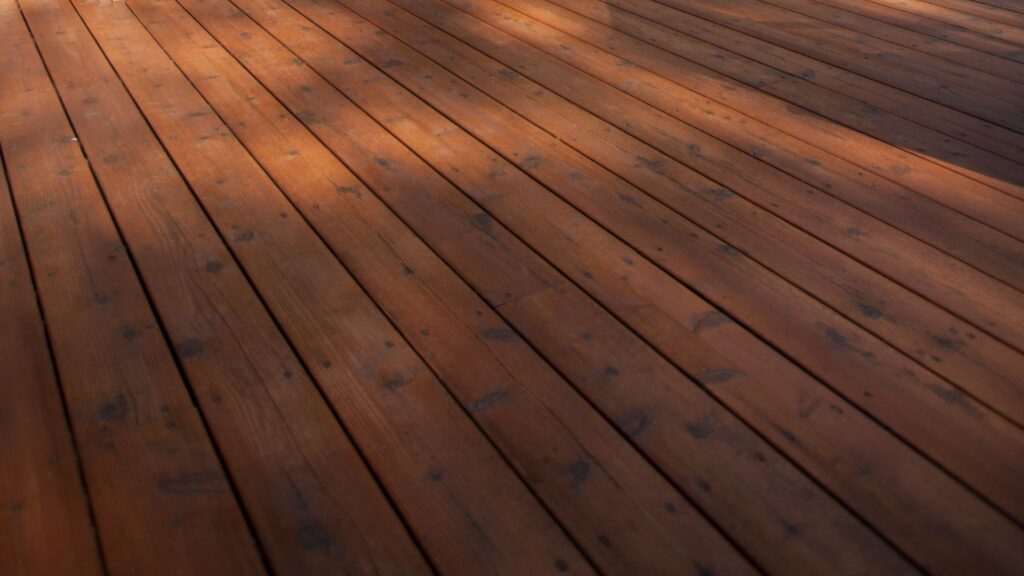
Cedar And Redwood
Cedar and redwood offer a more natural look than pressure-treated lumber. Many homeowners choose them for their color, grain, and smoother finish.
- Cost differences
Cedar and redwood usually range from 6 to 12 per sq ft. Redwood tends to cost more because it is less available in many regions. - Lifespan details
Both woods resist insects better than standard lumber, but they still need repeat sealing to hold their color and strength. With steady care, these materials can last 15 to 25 years.
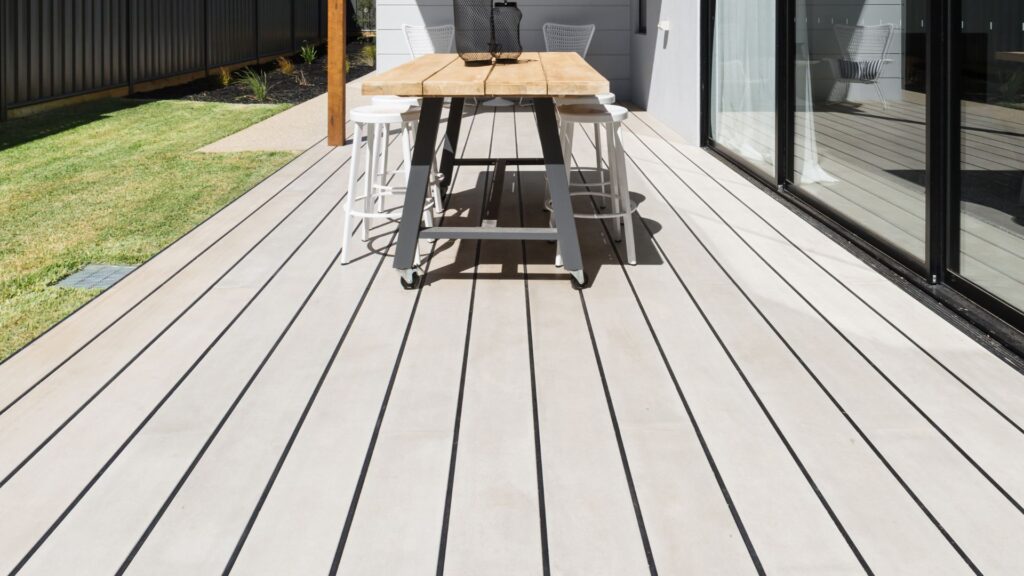
Composite Decking
Composite boards blend recycled wood and plastic. This gives you a deck that stays consistent in appearance and reduces the need for ongoing treatment.
- Cost per sq ft
Composite materials usually fall between 8 and 15 per sq ft. Higher-end lines with grain patterns or color variations sit at the top of this range. - Maintenance expectations
Composite boards only need light cleaning to stay in good shape. No staining, sealing, or sanding. This saves time and long-term upkeep costs.
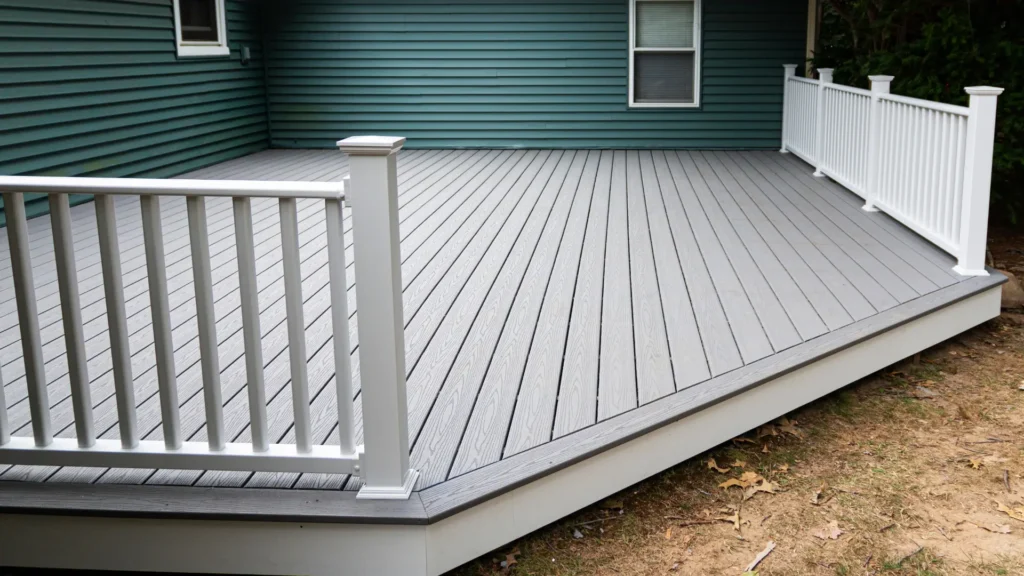
PVC Or Premium Materials
PVC and other premium options give you top-tier durability and the longest lifespan of any decking material. They stay stable in hot and wet climates.
- When they make sense
PVC works well if you want low upkeep, modern colors, or better resistance to rot and moisture. Homeowners in areas with heavy rain or strong sun often find PVC a smart upgrade. - Price trade-offs
PVC ranges from 10 to 20 per sq ft. While the upfront cost is higher, long-term maintenance stays low. This makes the material appealing if you want a deck that holds its look with minimal care.
Understanding the strengths and costs of each material helps you choose a deck that fits your budget and your plans for the space. These details give you a clear starting point as you map out your project.
Labor Costs For Building A 20×20 Deck
Building a 20×20 deck involves more than material choices. Labor shapes the final price because it reflects skill, time, and the level of detail your project needs. Understanding how professionals charge helps you plan your budget and decide whether you want to take on any parts yourself.
How Contractors Price Labor
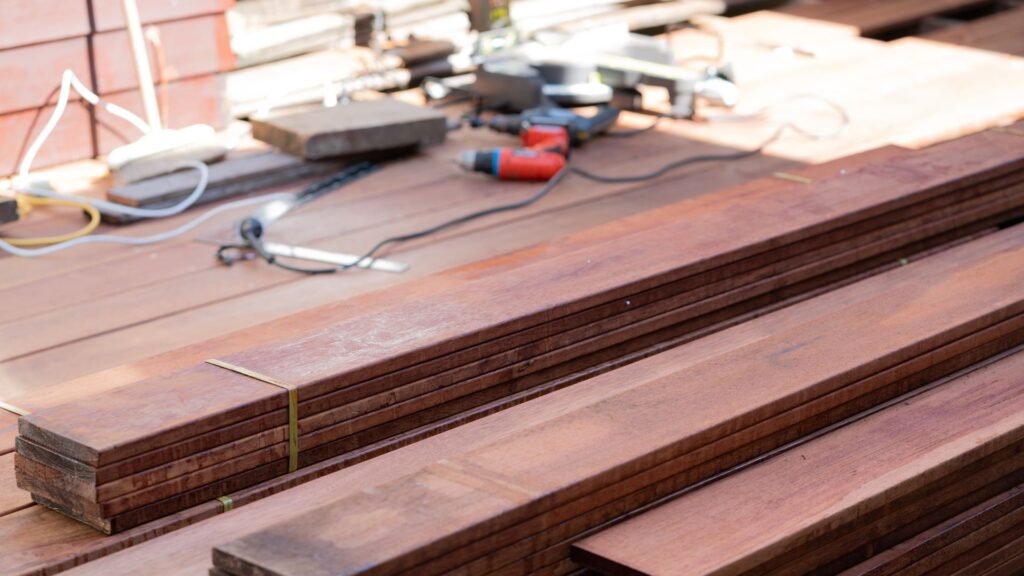
Contractors usually base their labor rate on the size of the deck, the layout you choose, and the difficulty of the job. A simple square deck with standard railings costs less than a design with patterns, multiple levels, or custom features. Many companies estimate labor by the square foot, while others calculate it by total hours needed. Local demand also plays a role. Areas with a high number of home projects often have higher labor rates. When comparing quotes, pay attention to what each contractor includes, such as cleanup, hardware, or finishing work. Clear expectations help you avoid misunderstandings once the build starts.
Differences Between DIY And Hiring A Pro
DIY attracts many homeowners who want to save money. You skip most labor costs, and the upfront savings look appealing. The challenge begins when you handle permits, structural planning, and safety rules on your own. Mistakes with support posts, footings, or railing installation can lead to repairs or code violations. A professional brings experience and reliable workmanship, which lowers the risk of issues later. If you value speed, accuracy, and long-term durability, hiring a pro often makes sense. If you have strong building skills and the right tools, DIY can reduce the total cost while requiring far more time and responsibility.
Extra Fees That Often Surprise Homeowners
Labor quotes sometimes leave out smaller tasks that add up quickly. Site prep is a common example. Uneven ground, rocky soil, or tight yard spaces often lead to extra charges because they slow the crew down. Removing an old deck also increases the bill due to demolition and disposal time. Any last-minute design changes tend to raise the labor cost as well. Even weather delays can affect your schedule if the project extends into busier periods. Asking for a full breakdown before the job begins helps you avoid unexpected expenses.
Timelines For Building A Deck This Size
A 20×20 deck usually takes one to three weeks from start to finish. The timeline depends on crew size, weather, and the level of detail in the design. Straightforward builds move fast, while custom layouts need more time for planning and precision. Inspections can also affect timing because some areas require approval at different stages of the project. A clear schedule from your contractor gives you a realistic view of the process and helps you plan around the work happening at your home.
A better understanding of labor costs helps you choose the right approach for your project. By knowing how pricing works, what affects timelines, and where extra fees come from, you can make choices that fit your budget and expectations.
Extra Features That Raise The Total Cost
When you plan a 20×20 deck, the base structure is only part of the overall price. Many homeowners add features that improve comfort and style, and each one changes the final budget in its own way. Knowing how these upgrades affect your costs helps you decide which ones fit your goals.
Railings
Railings add safety and shape the overall look of your deck. The price depends on the style and the material. Wood railings sit on the lower end, while composite or metal railings cost more because they last longer and need less upkeep. Taller or more detailed railing designs also increase material and labor costs.
Stairs
Stairs are another feature that changes the total price. A simple set of steps costs far less than a full staircase with wide treads and detailed finishes. The height of your deck influences this as well. A deck that sits high above the ground needs a longer staircase, more labor, and stronger supports, which raises the final bill.
Built-in Seating
Built-in seating gives your deck a clean and organized layout without loose furniture taking up space. These benches or corner seats require careful framing work, which makes them more expensive than buying separate chairs. The added lumber and labor contribute to higher costs, but the result often makes the space feel more polished.
Lighting
Lighting adds both safety and atmosphere. Options include post lights, step lights, and recessed fixtures. Each type has its own price range, and installation becomes more complex if wiring is involved. Even solar options, while easier to install, add to the final cost because you still pay for fixtures and setup.
Pergolas Or Shade Features
A pergola or shade structure changes the way you use your deck by offering comfort during hot days. These features cost more due to the extra framing, supports, and materials needed to build them. A basic wood pergola costs less than one made with premium materials, but both still add a noticeable amount to the final price.
Custom Shapes Or Patterns
Custom designs take more time for builders to measure, cut, and install. A deck with curves, angled corners, or complex patterns offers a unique look, but labor increases because each piece needs careful fitting. Materials may also cost more if you choose patterns that require extra boards.
How Each Addition Changes The Final Budget
Every upgrade adds layers of material and labor. Some involve simple add-ons while others require structural adjustments, custom cuts, or electrical work. Even small features stack together and push the total higher. When you compare quotes, list the features you want so you can see how each one affects the price.
A well-planned deck becomes more enjoyable when you choose the right additions. These upgrades shape the look, comfort, and long-term value of your space, helping you build something that fits your daily life.
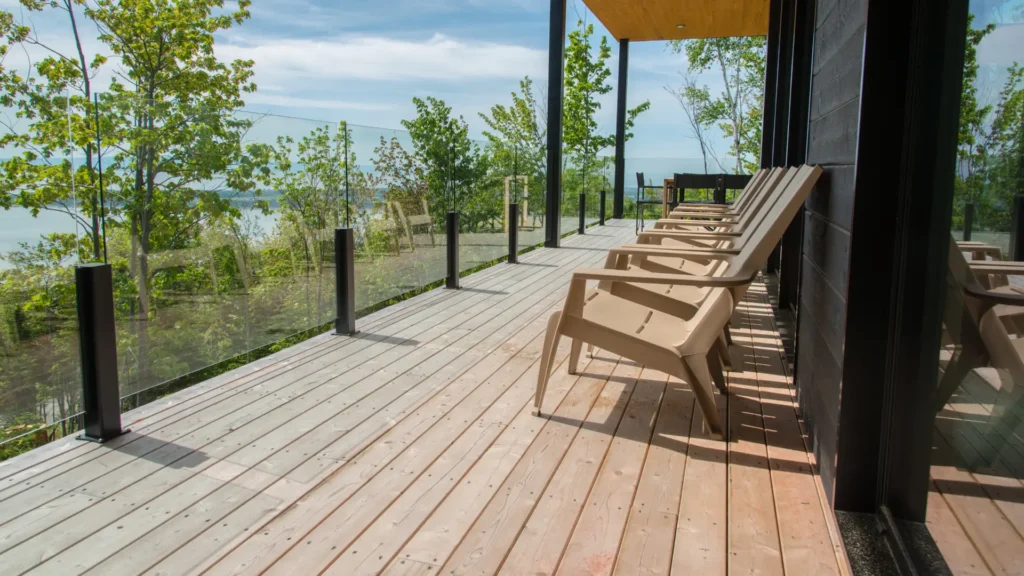
Permit Fees And Local Regulations
Most homeowners don’t think about permits until they start gathering quotes, but they play a direct role in the final cost of a 20×20 deck. Cities and towns set their own rules, and each project must meet safety standards before any work begins. Understanding these steps early helps you plan your budget with fewer surprises.
Common Permit Costs
Permit fees vary based on where you live, the size of your deck, and the type of structure you want to build. Many areas charge a flat rate for residential projects, while others calculate fees based on square footage or project value. A typical homeowner may pay anywhere from a small filing fee to a higher amount when structural changes or special materials are involved. Since each municipality sets its own pricing, checking your local office before building prevents unexpected add-ons.
What Inspectors Look For
Inspectors focus on safety and structural integrity. They review your plans to confirm that the deck can support expected weight, that footings are placed correctly, and that all materials meet local safety standards. During construction, they may visit the site to confirm proper installation of posts, beams, stairs, and railings. Final approval usually comes once the deck is complete and meets all code requirements. These checks ensure your deck remains safe for long-term use.
How Delays Can Affect Your Price
Project delays usually lead to added costs. If permit approval takes longer than expected, your contractor might need to shift scheduling, which can affect labor availability. Weather and inspection scheduling can also push timelines, raising the chance of extra labor hours, material storage fees, or price changes. Staying organized and submitting complete paperwork helps reduce these issues.
Why Codes Differ By Location
Local building codes vary because each region faces different environmental conditions. Areas with heavy snowfall require stronger support structures, while coastal regions often follow rules that protect against moisture or high winds. Some cities adopt updated code versions faster than others, which leads to differences in structural requirements. This is why two homeowners building the same sized deck can receive entirely different quotes.
A clear understanding of permits and regulations gives you more control over your project and keeps your budget predictable as you move forward.
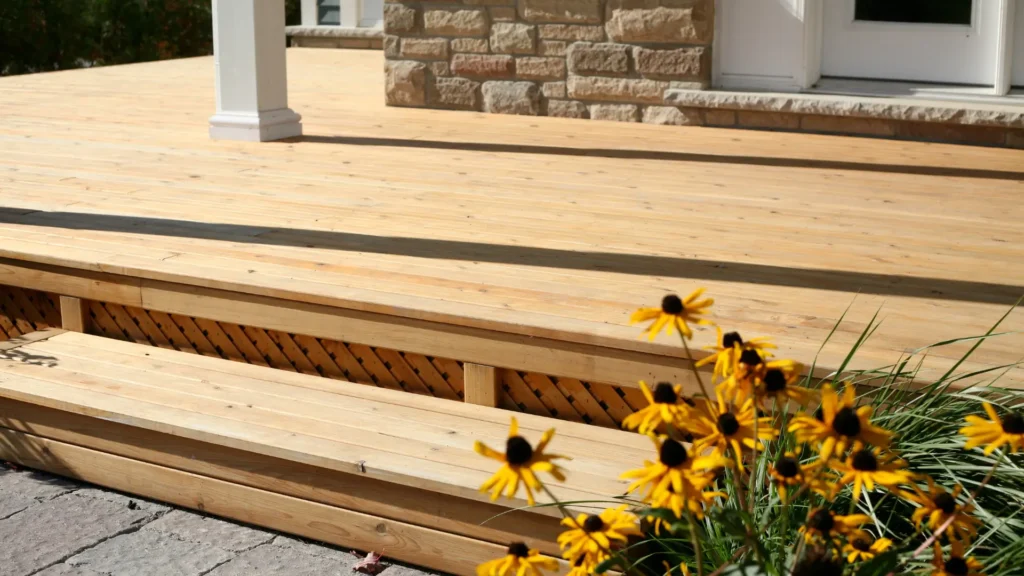
Hidden Or Often Overlooked Expenses
Many homeowners plan for materials and labor but forget the smaller costs that build up quickly. These items can change your budget, especially if your yard needs extra work or the project runs longer than expected.
Site Prep
Your contractor may need to clear plants, move furniture, or mark out safe working areas. This step takes time and care. A yard with rocks, roots, or uneven surfaces usually needs more prep, which adds to the total bill.
Old Deck Removal
If you have an existing deck, tearing it down comes with its own fee. Removal takes labor and tools, and some structures require careful handling if the wood is damaged or unsafe. You also pay for hauling the debris away.
Ground Leveling
A deck needs a stable base. If the soil is uneven or too soft, your contractor must fix it before building. Leveling might include adding gravel, compacting soil, or creating a proper slope for drainage. These tasks add both time and cost.
Disposal Fees
Most projects create more waste than people expect. Old boards, fasteners, packaging, and broken pieces all need removal. Local rules often require sorting or special dumping sites. That leads to extra fees you will see on your final invoice.
Hardware Upgrades
Better fasteners, brackets, and joist hangers support a stronger structure. Many builders recommend these upgrades because they last longer and hold up against weather. They do cost more, so they should be part of your budget from the start.
Weather Related Delays
Rain, snow, or strong winds can slow the project. Delays may push labor costs higher, especially if the crew has to reschedule. Poor weather can also create muddy or unsafe conditions that add extra cleanup.
A clear view of these hidden expenses helps you plan a realistic budget and avoid surprises along the way.
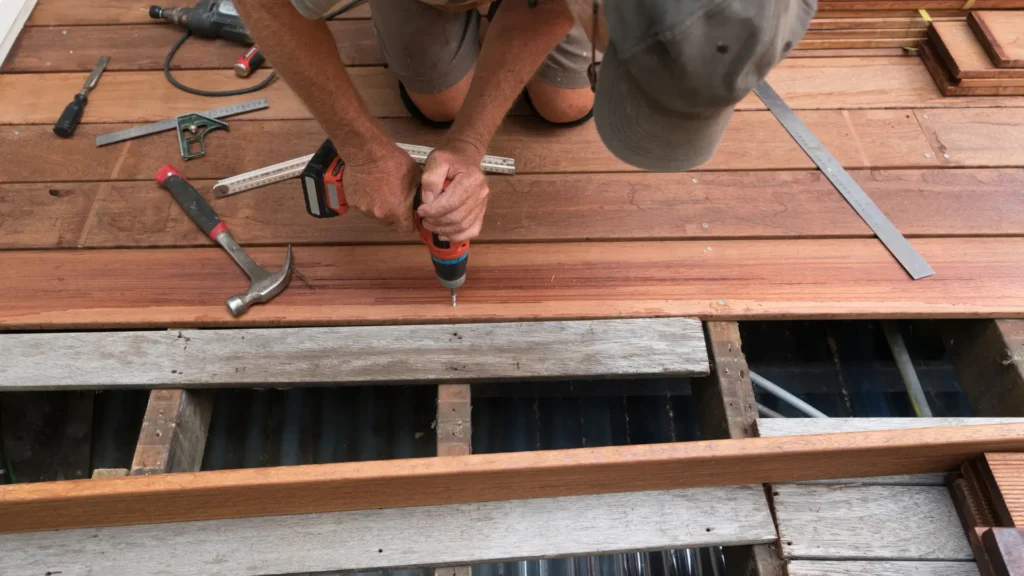
Cost Breakdown Examples
This section gives you a clear look at how different budgets shape the final price of a 20×20 deck. These examples help you compare material choices, labor needs, and added features so you can see what fits your plans. Each sample build reflects common choices homeowners make when they want a simple, balanced, or high-end deck.
Sample Budget Build
A budget build focuses on value. Homeowners who choose this route often want a strong and simple deck without extras. Pressure treated wood is the most common pick because it offers a low upfront cost and easy availability. Labor remains straightforward due to the basic design and limited add ons.
Typical Features
- Pressure treated lumber
- Standard railing
- Basic staircase
- No lighting or built-ins
Estimated Price Range
8,000 to 12,000
| Item | Estimated Cost |
| Materials | 3,500 to 5,000 |
| Labor | 3,500 to 6,000 |
| Permits and fees | 200 to 500 |
| Extras | 0 to 500 |
Sample Mid Range Build
A mid range build balances cost and durability. Many homeowners shift to composite boards in this category because they want less maintenance and longer lifespan. The design may include improved railing, better hardware, and a few convenience upgrades.
Typical Features
- Composite decking
- Upgraded railing
- Standard staircase
- Optional lighting or trim details
Estimated Price Range
14,000 to 20,000
| Item | Estimated Cost |
| Materials | 6,000 to 9,000 |
| Labor | 6,000 to 9,000 |
| Permits and fees | 200 to 600 |
| Extras | 500 to 1,500 |
Sample Premium Build
A premium build aims for top performance and strong visual appeal. PVC or high grade composite boards dominate this tier. The design often includes custom patterns, upgraded railings, and extra features that turn the deck into a standout outdoor space.
Typical Features
- PVC or premium composite decking
- Custom borders or patterns
- High quality railing
- Lighting, seating, or shade features
Estimated Price Range
22,000 to 35,000 or more
| Item | Estimated Cost |
| Materials | 10,000 to 18,000 |
| Labor | 9,000 to 14,000 |
| Permits and fees | 300 to 800 |
| Extras | 1,500 to 4,000 |
Clear Pricing Tables for Easy Scanning
These tables give you a fast way to compare each build level. You can see how material upgrades and added features shift the final number. Use these examples as a starting point when discussing quotes with a contractor, since real prices depend on location, design, and site conditions.
You now have a clear picture of how different budgets shape the total cost of a 20×20 deck. This makes it easier to decide which build fits your plans and what changes may raise or lower your final price.
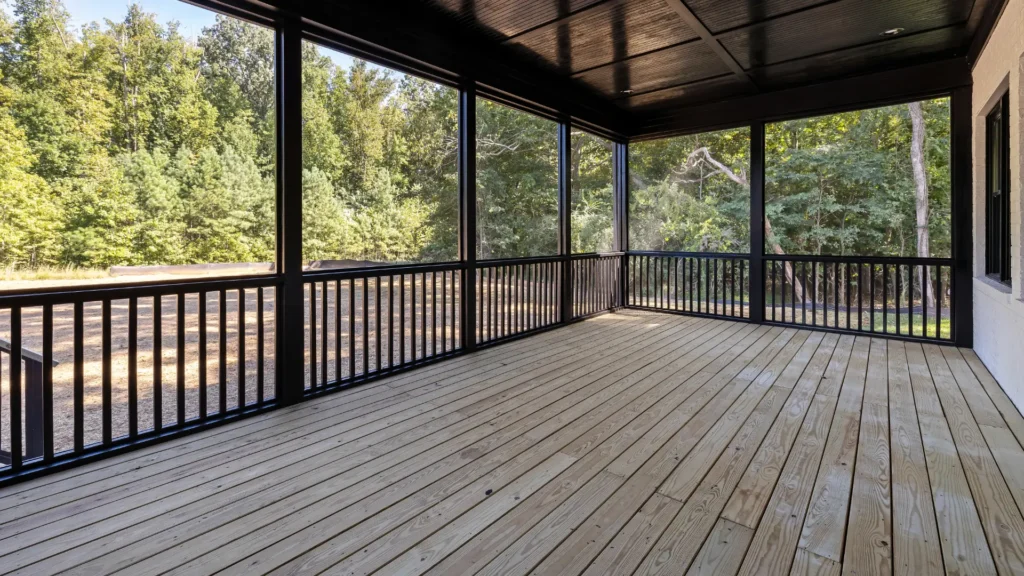
How To Save Money On A 20×20 Deck
You can lower the cost of a 20×20 deck without cutting into safety or long-term value. Small choices in materials, planning, and timing help you stay within budget while still getting a deck that fits your needs. Each option below gives you practical steps you can use right away.
Choosing Materials Wisely
Your material choice sets the tone for your entire budget. Pressure-treated wood stays one of the most affordable options and works well for basic builds. Cedar costs more but offers a cleaner look and better resistance to decay. Composite brings low upkeep and long life, though the upfront price is higher. Think about how long you want the deck to last and how much time you are willing to spend on maintenance. When you weigh those details early, you avoid paying more later for repairs or replacements.
Asking Contractors The Right Questions
Clear communication helps you spot savings before work begins. Ask each contractor for a line-item quote that shows materials, labor, and any extra fees. This makes it easier to compare bids and catch charges that do not make sense for your project. Ask about their timeline, warranty, and how they handle changes if something unexpected comes up. When you ask focused questions, you gain clarity and avoid paying for work you do not need.
Building In Phases
If your budget is tight, consider breaking the project into stages. Start with the main platform, then add railings, stairs, or seating when funds allow. This approach keeps the project moving while spreading the cost across a longer period. It also gives you time to adjust plans as you see how you use the deck.
Avoiding Custom Features That Drive Up Costs
Custom layouts, elaborate patterns, built-in benches, and unique railing designs often raise the total more than people expect. Standard shapes and straightforward layouts keep labor simpler and reduce waste. You can still add style with lighting, planters, or color choices without paying for heavy customization. Simple design choices often deliver the best value.
Seasonal Timing Tips
Contractors often have slower periods outside of peak building months. Scheduling your project during these times can lead to better pricing and shorter wait times. Materials might also cost less when demand drops. Planning ahead gives you room to secure quotes early and lock in a fair rate.
A smart plan helps you save without giving up quality. When you choose the right materials, ask clear questions, and time your project well, you keep your budget steady while still building a deck you enjoy.
Signs You Should Invest More Instead Of Cutting Corners
You want your deck to fit your budget, but there are moments when spending a little more protects your home, your safety, and your long-term costs. Knowing where to invest helps you avoid problems that show up months or even years after the build.
Safety Concerns
A deck becomes unsafe when the framing, fasteners, or support posts cannot handle weight or movement. If the soil is unstable, the deck sits high off the ground, or you expect heavy use, choosing stronger materials and better hardware protects everyone who steps onto it. A few savings here can lead to issues like loose boards, wobbling rails, or worse. When your contractor flags a safety upgrade, it is worth listening.
Structural Needs
The structure underneath the deck affects how long it lasts and how well it holds up under stress. Larger spans, multi-level designs, or added features like built-in seating often require thicker joists or stronger beams. Cheaper alternatives may look fine at first but fail sooner under pressure. When the design demands more support, invest in materials that match the load and conditions.
Long-Term Maintenance Trade-Offs
Some choices cost less upfront but require constant care. Budget wood often needs yearly sealing and can warp or fade with weather changes. Over several years, these tasks add up in both time and money. If you prefer a low-maintenance setup, paying more for materials that resist moisture, insects, and sun exposure reduces the ongoing work and keeps the deck looking better for longer.
When Premium Materials Pay Off
Premium options like composite or PVC come with higher initial prices, yet they perform well in tough climates and keep their appearance with minimal upkeep. They resist rot, stains, and fading, making them a strong choice for homeowners who want durability without regular repairs. If you plan to keep your home for many years, these upgraded materials can deliver better value than the cheaper alternatives.
Taking time to understand where to invest helps you build a deck that stays safe, strong, and attractive. Spending wisely now often leads to fewer repairs and a better experience over the long run.
How To Choose A Reliable Contractor
Finding the right contractor shapes the quality, safety, and final cost of your deck. You want someone who understands your goals, communicates clearly, and delivers work that lasts. A careful selection process protects your budget and reduces stress during the build.
What To Look For In Reviews
Look for patterns in customer feedback. You want to see consistent notes about punctuality, clear communication, and clean workmanship. Reviews that mention how the team handled small problems are helpful because they show how the contractor responds under pressure. Pay attention to photos from past clients so you can judge the quality of the finished decks. You should also check if the contractor has repeat customers or long-term referrals because both signal strong trust.
Questions To Ask During Quotes
Ask about project timelines, material options, and what each line item in the estimate includes. Clear answers show knowledge and honesty. Ask who will be on-site each day, how changes are handled, and whether the quote lists permits, cleanup, and disposal. Request proof of insurance and licensing to confirm everything is in place. You can also ask for examples of similar jobs so you know they have experience with your deck size and layout.
Why Multiple Bids Matter
Gathering several quotes helps you understand the market rate in your area. Prices often vary based on labor demand and materials, and comparing bids shows whether something seems too low or too high. When you review the quotes side by side, you can spot missing items or unclear terms. This helps you make a choice based on value rather than the lowest price alone.
How To Spot Red Flags
Be cautious if a contractor avoids written agreements or pushes you to make quick decisions. Vague language, missing details in the estimate, or no proof of insurance are warning signs. Another red flag appears when communication feels inconsistent before the project even starts. If the contractor cannot answer basic questions, shows up late to appointments, or refuses to share references, you should move on.
Choosing a reliable contractor gives your deck project a smoother path from planning to completion. Take your time, ask clear questions, and trust your instincts as you compare your options.
If you want a clear estimate tailored to your home, explore our deck cost guides and planning tools. You’ll find pricing tips, contractor checklists, and real examples that help you make smart decisions. Click through to get started and plan your project with confidence.
References
- HomeGuide – “Cost to Build a Deck” page: https://homeguide.com/costs/cost-to-build-a-deck HomeGuide
- Angi – “How Much Does It Cost to Build a Deck?” (2025 data) article: https://www.angi.com/articles/how-much-does-it-cost-build-deck.htm Angi
- NerdWallet – “The Cost to Build a Deck in 2025” guide: https://www.nerdwallet.com/home-ownership/home-improvement/learn/cost-to-build-deck NerdWallet
- The Spruce – “How Much Does It Really Cost to Build a Deck?” deck cost breakdown: https://www.thespruce.com/cost-to-build-a-deck-8639443 thespruce.com
FAQs: About How Much Would A 20×20 Deck Cost
What is the average cost of a 20×20 deck?
A 20×20 deck often ranges from 8,000 to 24,000 based on material choice, labor rates, and added features.
What materials affect the price the most?
Composite, PVC, and premium woods raise the cost, while pressure-treated lumber usually stays on the lower end.
How much do labor fees add to the total cost?
Labor often makes up 40 to 60 percent of the project, depending on design complexity and local rates.
Do I need a permit for a 20×20 deck?
Most areas require a permit, and fees vary by location. Always check local rules before building.
What features increase the total price?
Railings, stairs, lighting, patterns, and built-in seating add to the final budget.
Is a DIY build cheaper?
DIY can reduce labor costs, but mistakes or structural issues can raise long-term expenses.
How long does it take to build a deck this size?
Many projects take one to three weeks based on weather, site prep, and contractor availability.
What hidden costs should I expect?
Site leveling, old deck removal, hardware upgrades, and disposal fees often raise the total.
How long will a 20×20 deck last?
Lifetime depends on material choice. Composite and PVC last longer with less upkeep than wood.
How can I save money on a 20×20 deck?
Compare quotes, choose cost-friendly materials, keep the design simple, and schedule the build during slower seasons.
Conclusion
Most homeowners planning a 20×20 deck can expect a total cost that falls between the lower five figures for basic wood builds and the higher end when choosing composite or premium materials, with labor, permits, and add-on features shaping the final number more than many people expect; once you have a rough idea of where your project may land, the next step is deciding whether you want a simple layout or something more detailed, then gathering quotes from at least three contractors so you can compare materials, timelines, warranties, and installation methods using a clear checklist that includes questions about labor rates, cleanup fees, structural support, and potential extra charges, giving you a more confident path toward choosing the right builder and planning your project without surprises.
This section gives you a solid starting point so you can move forward with clarity and make choices that fit your budget and goals.