Home › Composite decking
Composite Decking in Christchurch
A deck you wash rather than oil. Composite boards cost more than timber on day one and ask for almost nothing after that.
- No staining or oiling, ever
- Hidden fixings and a splinter-free surface
- Built on a frame spaced to the board maker's rules
Get a free quote
Tell us about the job. We reply within one working day.
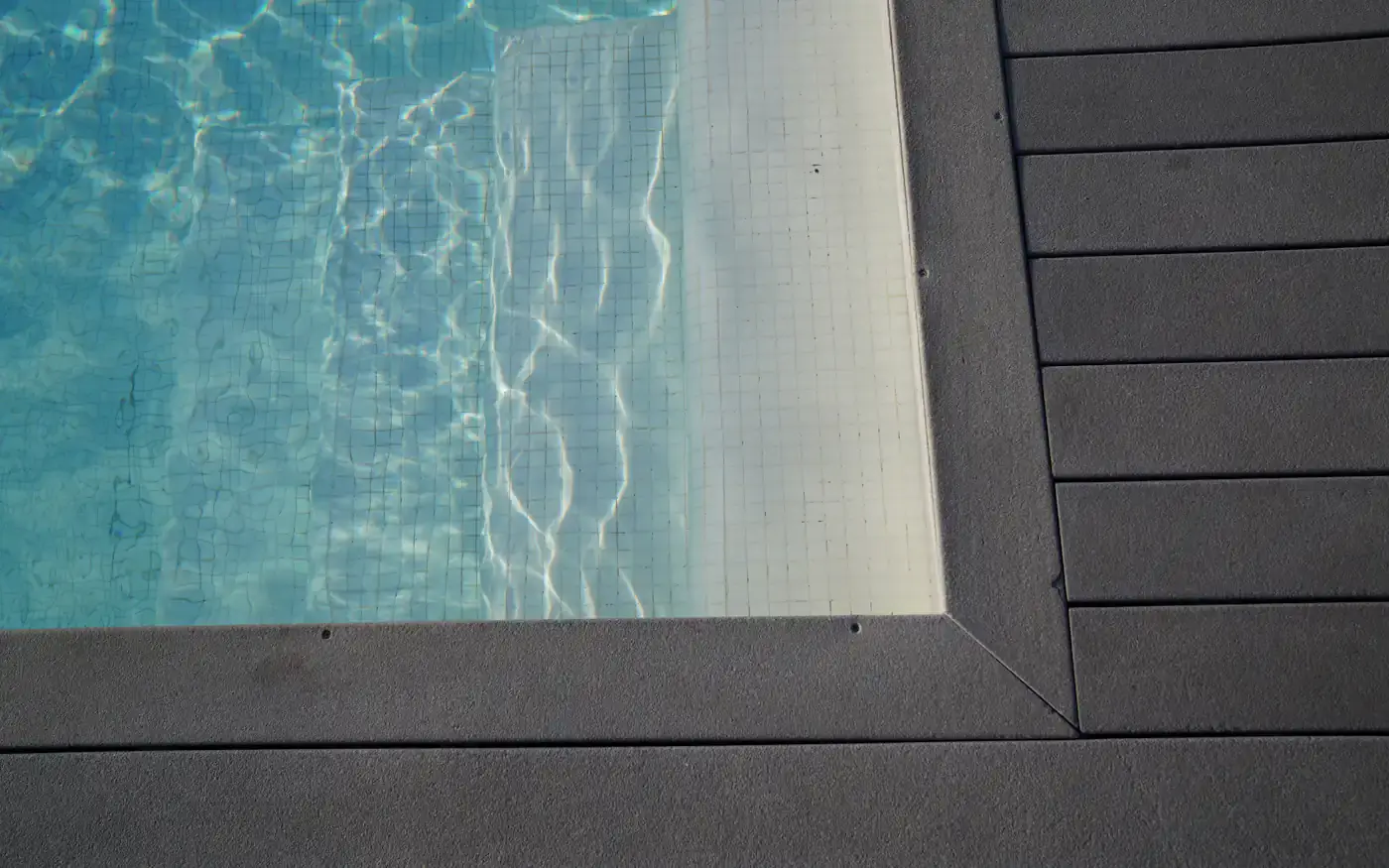
Composite boards are made from wood fibre and plastic, usually with a hard plastic cap on the outside. They do not rot, splinter or need oil. In Christchurch they suit north-facing decks that take the full summer sun, rental properties, pool surrounds and anyone who would rather not spend a weekend a year on deck maintenance.
The boards are only as good as the frame under them. Composite is heavier and more flexible than timber, so the joists have to be closer together, and the boards grow and shrink along their length as the temperature changes. A builder who frames a composite deck like a pine one will leave you with a deck that sags and buckles.
What to know before you choose composite
- Heat. Dark boards get hot under bare feet on a still January afternoon. Lighter colours stay cooler. If the deck faces north with no shade, look at the pale greys and sand colours.
- Colour. Capped boards fade a little in the first few months, then hold their colour. Look at a weathered sample, not a new one.
- Movement. Boards expand in heat. The maker sets the gap to leave at each end, and it depends on the temperature on the day the boards are fixed.
- Ventilation. Composite still needs air under it. Most makers ask for a clear gap under the joists and open sides.
- Warranty. Many brands sold in New Zealand carry warranties of 20 years or more, but only if the deck is built to their installation guide. Ask for the guide and keep it with your quote.
How a composite deck is built
The frame is treated timber, the same as any deck, with joists usually at 400 mm centres or closer and extra joists wherever two boards meet end to end. Boards are held down with hidden clips that slot into a groove on the board edge, so there are no screw heads on the surface. The outside edge is finished with a fascia board or a picture-frame border that hides the cut ends.
Several brands are sold through Christchurch merchants and specialist suppliers. They differ in price, colour range, board width and how real the grain looks. The builder can bring samples to the site visit so you can see them against your cladding.
Composite or timber?
Over ten years the costs move closer together. A hardwood deck needs cleaning and oiling every year or two, which is either your time or a few hundred dollars each time. Composite needs a wash. If you like the look of timber going silver and do not mind the upkeep, hardwood is the better deck. If you want it to look the same in year ten as in year one, choose composite.
Read the full comparison in the composite decking guide.
Composite deck prices
| Item | Guide price |
|---|---|
| Composite deck, ground level | $1,000 to $1,500 per m² |
| Treated pine deck, for comparison | $600 to $1,000 per m² |
| Hardwood deck, for comparison | $900 to $1,400 per m² |
| Raised or sloping site | Add 30 to 60 percent |
Guide prices including materials and labour. Your written quote after a site visit is the firm price.
Questions about composite decking
How long does composite decking last?
Most capped composite boards are warrantied for 20 years or more against rot and splitting. The treated timber frame underneath has a similar life when it is built with the right treatment levels and ventilation.
Does composite decking get slippery?
Capped boards have a textured surface and grip well when wet. Like any deck, they get slippery if mould or leaf litter is left on them, so shaded decks need a wash a couple of times a year.
Can composite boards go on my existing deck frame?
Sometimes. The frame has to be sound, and the joists usually need to be closer together than they are on an older timber deck. Extra joists can often be added between the existing ones.
Is composite decking good around pools?
Yes. It does not splinter, it copes with constant wetting, and pool chemicals do not harm it. Choose a lighter colour so it stays comfortable under bare feet.
From first call to finished job.
Tell us about the job
Send the form or call. A rough size and a suburb is enough to start.
Free site visit
The builder measures up, looks at the ground and access, and talks through boards and layout.
Written, itemised quote
Materials, labour and extras listed separately, with a start date. No obligation.
Build and walk-through
One crew from piles to final board. You check the finished deck before the last invoice.
Get a price on composite decking
Send the form and we will arrange a free site visit and a written, itemised quote. Or ring and talk it through.
Request a free quote
Tell us about the job. We reply within one working day.